

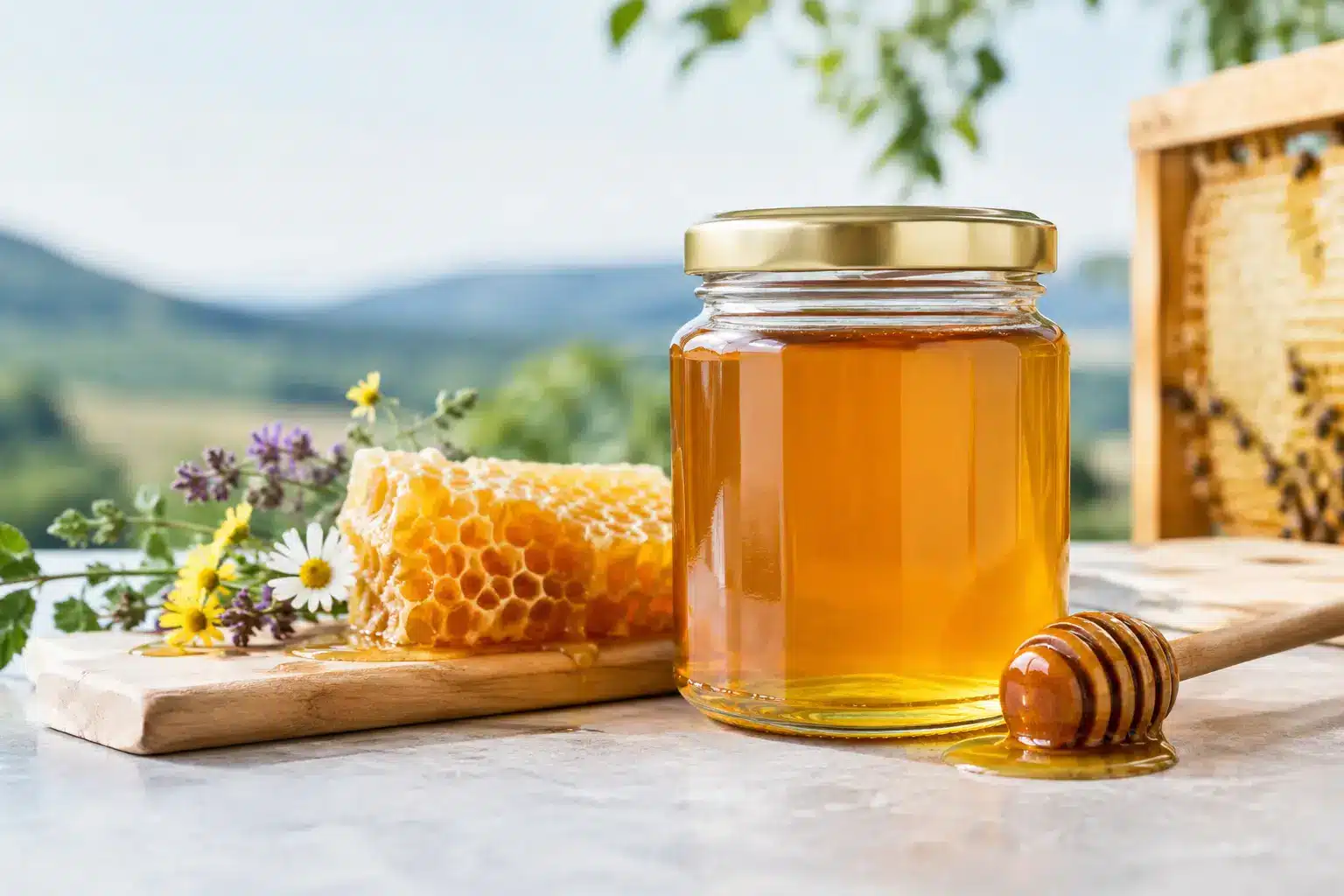
A jar of honey can look beautiful on a shelf and still leave the most meaningful questions unanswered. Where was it harvested? What is actually inside? Was it gently handled, blended, or heavily processed before it reached your kitchen? Food transparency trends are changing that conversation, especially for shoppers who want more than a sweet flavor. They want confidence in the food they bring home.
For premium honey buyers, transparency is not a marketing extra. It is part of quality itself. A honey’s origin, ingredients, handling, and story all shape its character. When those details are clear, customers can choose with greater care – whether they are looking for a thoughtful gift, a daily spoonful of natural energy, or a treasured ingredient for the family table.
Why Food Transparency Trends Matter for Honey
Honey is often treated as a simple pantry staple, but not all honey is created or handled in the same way. Its flavor, aroma, color, texture, and natural composition can reflect the flowers visited by bees, the region where they forage, the season, and the practices used after harvest.
That is why more American shoppers are moving beyond broad labels. “Pure,” “raw,” and “natural” can be meaningful terms, but they are strongest when supported by specific information. A transparent seller helps customers understand the source of the honey, the ingredients in the jar, and the standards behind the product.
This shift is especially relevant for rare origin foods. Yemeni Sidr honey is valued not only for its rich, distinctive taste, but for its connection to the Sidr trees and traditional beekeeping heritage of Yemen. Its identity is inseparable from place. When a honey is presented without a clear origin, it becomes much harder for a customer to recognize what makes it special.
Clear Origin Is Becoming a Premium Standard
One of the strongest food transparency trends is the growing demand for traceable origin. Consumers increasingly want to know more than the country listed on a package. They want a meaningful account of where the food began and why that place matters.
For honey, origin is not merely geography. It can signal floral source, landscape, climate, harvesting tradition, and expected flavor profile. Honey gathered near ancient Sidr trees in Yemen carries a different story than generic honey packed from broad, unspecified sources. Neither location alone guarantees quality, but clear sourcing gives shoppers the context to make a more informed decision.
This is where specialty foods have an advantage. They can offer a sense of place that mass-market products often flatten. A jar identified as authentic Yemeni Sidr honey invites a customer to appreciate a living heritage: beekeepers working with nature, trees rooted in a distinct landscape, and a product long treasured in regional food traditions.
Still, transparency should be more than romantic language. A credible product story connects heritage to practical details. Customers should be able to understand what they are buying without having to decode vague claims or guess at the product’s journey.
What honest origin communication looks like
The clearest brands explain the honey’s country and regional heritage in straightforward language. They identify the floral source when it is known, describe whether the honey is single-origin or blended, and avoid presenting a broad label as a precise claim.
There are natural limits to agricultural sourcing. Harvests vary with weather and season, and wild landscapes do not behave like factories. That variation is not a weakness. When communicated honestly, it is evidence that a natural food remains connected to the conditions that produced it.
Ingredient Simplicity Is a Trust Signal
Many food shoppers now turn a product around before they buy it. They read the ingredient panel first. For honey, the ideal answer is refreshingly simple: honey.
This matters because consumers are actively avoiding unnecessary sweeteners, artificial flavors, syrups, and fillers. They want foods that are recognizable and close to nature. A short ingredient list does not automatically make every product exceptional, but it gives shoppers a crucial starting point.
For a premium honey, purity also means resisting the urge to hide behind complicated wellness language. Sidr honey can be enjoyed as a naturally flavorful food with a rich tradition and a place in everyday routines. It belongs in warm water, tea, breakfast bowls, marinades, baking, and quiet moments straight from the spoon. Its appeal is already substantial: a pure, naturally occurring food with depth, character, and heritage.
At Yemen Honey Store, that promise is centered on 100% natural, additive-free Yemeni Sidr honey – Nature’s Gold, straight from the heart of Yemen. The most reassuring message is also the clearest: no unnecessary additions, no confusion about what is in the jar.
Processing Questions Are Moving Into the Spotlight
Transparency also includes how a food is handled after harvest. Honey naturally changes over time. It may crystallize, deepen in color, or vary slightly in texture from one harvest to another. These changes can surprise shoppers accustomed to perfectly uniform supermarket honey, yet they are often part of honey’s natural character.
Consumers are increasingly asking whether a product has been excessively heated, filtered, or altered for appearance. These are reasonable questions, although the answers are not always as simple as “processed” versus “unprocessed.” Gentle straining may remove natural debris. Careful warming may help honey flow for bottling. What matters is that brands explain their practices honestly rather than using technical terms as decoration.
A trustworthy description tells customers what to expect. If a honey is minimally handled, say so. If it may crystallize, explain that crystallization is a normal physical change rather than a sign of spoilage. If the color or flavor can vary by season, treat that as part of the product’s natural identity.
Food Transparency Trends Are Raising the Bar on Proof
Beautiful packaging and a moving origin story can introduce a product, but proof is what earns repeat trust. Shoppers increasingly look for signals that a brand takes accountability seriously. They may consider whether product information is specific, whether the seller answers direct questions, and whether the claims match what arrives at their door.
For specialty honey, proof can take different forms. Clear ingredient statements, origin details, honest photos, careful storage guidance, and consistent customer service all contribute to confidence. In some cases, laboratory testing or batch information may also be relevant. The right approach depends on the product and supply chain, but the standard is the same: do not ask customers to accept mystery as a luxury feature.
There is a balance to protect here. Food transparency should inform, not overwhelm. Most customers do not need a technical report before breakfast. They do deserve enough clarity to understand the product’s origin, purity, and handling without wading through exaggerated claims.
How to Read a Honey Label With More Confidence
When choosing a premium honey, start with the simplest questions. Can you identify the stated origin? Does the ingredient list name only honey? Does the brand explain what makes this variety distinct, or does it rely only on broad promises?
Then consider whether the language feels precise. “Imported honey” is not the same as “Yemeni Sidr honey.” “Natural” is not the same as an explanation of sourcing and handling. A premium price may be justified by rarity, careful harvesting, and limited supply, but those qualities should be expressed with enough detail for the buyer to evaluate.
Finally, leave room for nature. A genuine honey may not look identical from jar to jar. Its flavor may be bold, earthy, caramel-like, floral, or deep depending on the source and season. That variation is often part of the pleasure of choosing a food with a real home.
A Better Relationship With What We Eat
The best food transparency trends are not about turning every meal into an investigation. They are about restoring a more direct relationship between people and the foods they value. When you know where honey came from, what it contains, and how it was cared for, each spoonful carries more meaning.
Choose foods that are willing to tell the truth about themselves. For a rare honey with roots in Yemen’s enduring Sidr landscapes, that truth is part of the taste.