
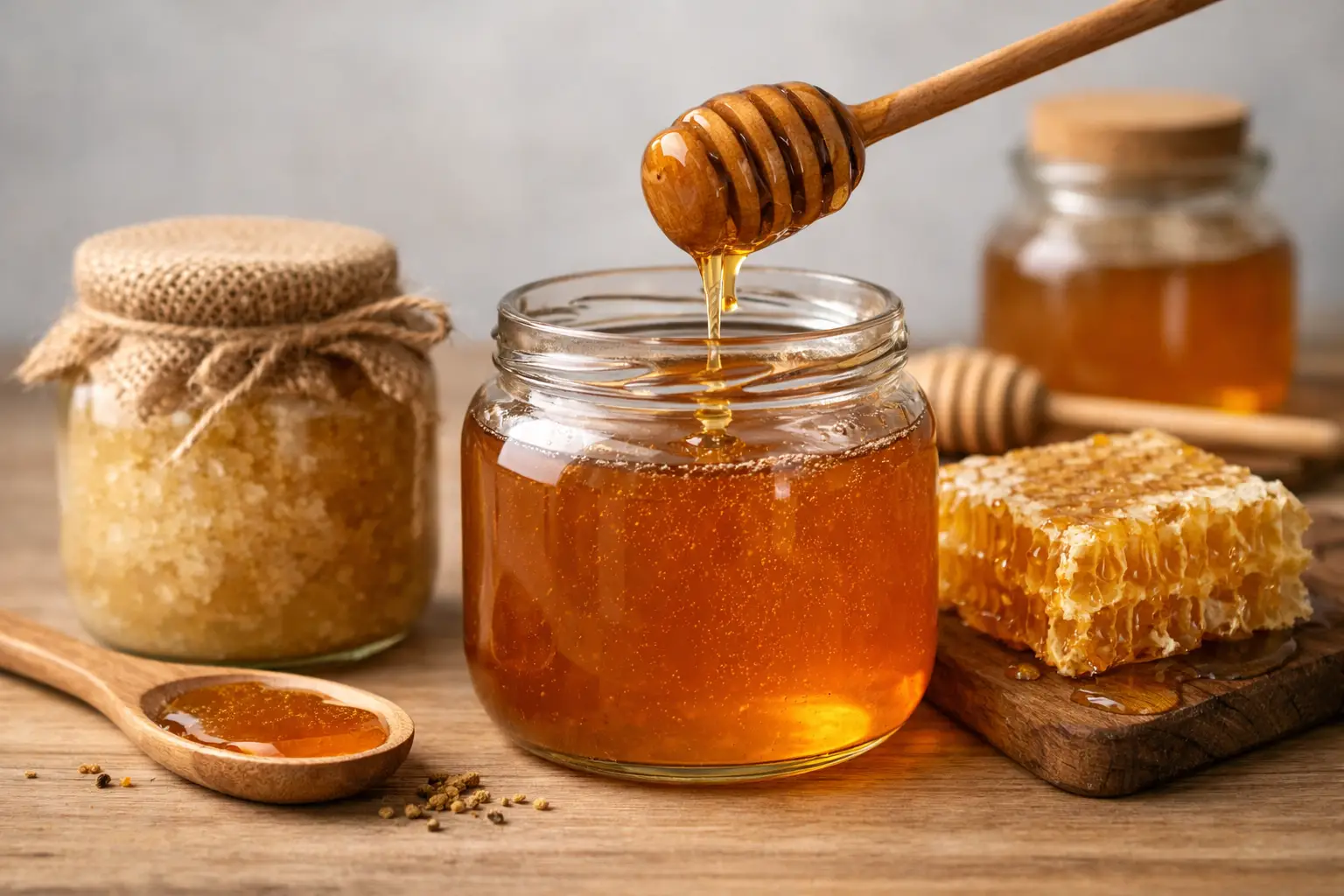
A jar of genuine raw honey can sit in a pantry far longer than most foods, which naturally raises the question: does raw honey expire? Pure honey does not spoil on a typical food timeline. When it is properly harvested, sealed, and stored, it can remain enjoyable for years – even decades. Its flavor, aroma, and texture may change over time, but honey’s naturally protective qualities give it an extraordinary shelf life.
For lovers of authentic Yemeni Sidr honey, this is more than a practical question. A carefully sourced jar is Nature’s Gold, gathered from the nectar of ancient Sidr trees and valued for its rich taste, remarkable character, and heritage. Knowing how to care for it lets every spoonful remain as special as the day it arrived.
Does Raw Honey Expire in the Pantry?
Raw honey is naturally inhospitable to most bacteria and microorganisms. It contains very little water, has a naturally acidic environment, and is rich in sugars that bind available moisture. Together, these conditions make it difficult for microbes to grow.
That does not mean a jar is frozen in time. Honey can darken, slowly lose some of its delicate floral notes, or crystallize as it rests. These are normal quality changes, not reliable signs that it has gone bad. A best-by date on a jar is generally a guide to peak flavor and texture, not a sudden expiration date.
The distinction matters. Pure, additive-free honey is built for longevity. A diluted honey product, a syrup blend, or honey exposed repeatedly to moisture does not have the same protection. Authenticity and careful handling both shape how beautifully honey keeps.
Why Pure Raw Honey Lasts So Long
Honey begins with nectar, but bees transform that nectar into a concentrated food with a naturally low water content. Mature honey generally has a water level low enough to prevent ordinary spoilage. Its acidity and natural enzymatic activity add further protection.
Raw honey retains the qualities that make it so distinctive: its natural aroma, nuanced flavor, pollen, and the small variations that reflect season and landscape. With Sidr honey, the result is a deep, luxurious profile tied directly to Yemen’s traditional beekeeping heritage and untouched Sidr regions.
Purity is essential here. Honey should contain one ingredient: honey. Added water, flavorings, syrups, or poor storage practices can alter its stability and take away from the straightforward goodness of a truly natural jar.
Crystallization Is Normal, Not Spoilage
The most common reason people think raw honey has expired is crystallization. Honey may become cloudy, grainy, or firm, sometimes forming pale crystals at the bottom or throughout the jar. This is a natural process in which glucose separates from the liquid honey.
Crystallization is especially common in raw honey because it has not been aggressively filtered or overheated. Temperature, the honey’s natural glucose-to-fructose balance, and even tiny particles of pollen can influence how quickly it happens. One jar may stay clear for a long time, while another crystallizes within months.
Crystallized honey is still good honey. Many people enjoy its spreadable texture on warm bread, with fruit, or stirred into oatmeal. If you prefer it smooth, place the tightly closed jar in a bowl of warm water and allow it to soften gradually. Stir gently as needed. Avoid boiling water, microwaving, or direct high heat, which can diminish the nuanced taste and natural qualities that make raw honey worth choosing.
When Honey Can Actually Go Wrong
Although honey is famously long-lasting, it still deserves sensible care. The main concern is moisture. If water enters the jar through a wet spoon, damp fingers, or improper storage, the honey’s water content can rise. Under the wrong conditions, this may allow fermentation.
Fermented honey may develop an unusual sour or alcoholic smell, foam, bubbles, or a noticeably off flavor. These signs are uncommon in a sealed jar of mature, pure honey, but they are a reason to discard it. Visible mold is also a clear reason not to use the product.
If your honey merely looks darker, thicker, or more crystalline, that is different. Start with the aroma and flavor. Pure honey should smell pleasant and characteristic of its origin, not sour, musty, or yeasty.
Honey is also not recommended for children under 12 months of age. This guidance applies regardless of whether honey is raw, pasteurized, local, imported, fresh, or years old. For everyone else, a properly stored jar is a naturally dependable pantry staple.
How to Store Raw Honey for Its Best Flavor
Raw honey does best with simple, consistent storage. Keep the lid tightly closed and store the jar in a cool, dry cupboard away from direct sunlight, the stove, and humidity. Room temperature is usually ideal.
Refrigeration is not necessary and often speeds crystallization. It will not ruin the honey, but it may leave you with a firmer texture that is harder to pour. Freezing can preserve honey for very long periods, though it is rarely needed for everyday use.
Always use a clean, dry utensil. This small habit protects the honey from crumbs and moisture while preserving the purity you paid for. If the rim becomes sticky, wipe it clean before replacing the lid so the seal remains secure.
For premium Sidr honey, storage is also a way of respecting the journey behind the jar. From traditional harvests in Yemen to your kitchen, careful handling preserves the aromatic richness and velvety sweetness that make this honey so treasured.
Does an Opened Jar of Raw Honey Expire Faster?
Opening a jar does not automatically shorten raw honey’s life in the way it would for milk, sauces, or fresh juices. If you close it securely and keep moisture out, raw honey can remain good for a very long time after opening.
Still, an opened jar is exposed to the habits of a busy kitchen. Steam from tea, a wet spoon after washing, or dipping directly into the jar while preparing food can introduce unwanted moisture. Treat honey as the pure, valuable food it is: scoop what you need with a dry spoon and return the lid promptly.
If you buy a larger jar, there is no need to rush through it. Enjoy it slowly in tea that has cooled slightly, over yogurt, in marinades, or by the spoonful. Its enduring nature is part of its appeal.
The Value of Choosing Authentic Honey
Long shelf life should never be confused with a reason to accept anonymous or heavily processed honey. The quality of what you taste begins with where it came from, how it was harvested, and whether it remains true to its natural form.
Sidr honey is prized because it carries a sense of place. Its distinctive flavor comes from the Sidr tree and the landscapes that nourish it, not from artificial ingredients or blended syrups. Choosing a source that values origin transparency gives you more confidence in the jar on your shelf.
At Yemen Honey Store, authentic Yemeni Sidr honey is offered as a direct connection to that tradition – pure, unprocessed, and full of the character that makes honey from Yemen so rare.
A well-kept jar of raw honey asks for very little: a dry spoon, a secure lid, and a cool pantry. In return, it offers lasting sweetness, a connection to ancient harvest traditions, and a daily reminder that some of nature’s finest foods are made to endure.