
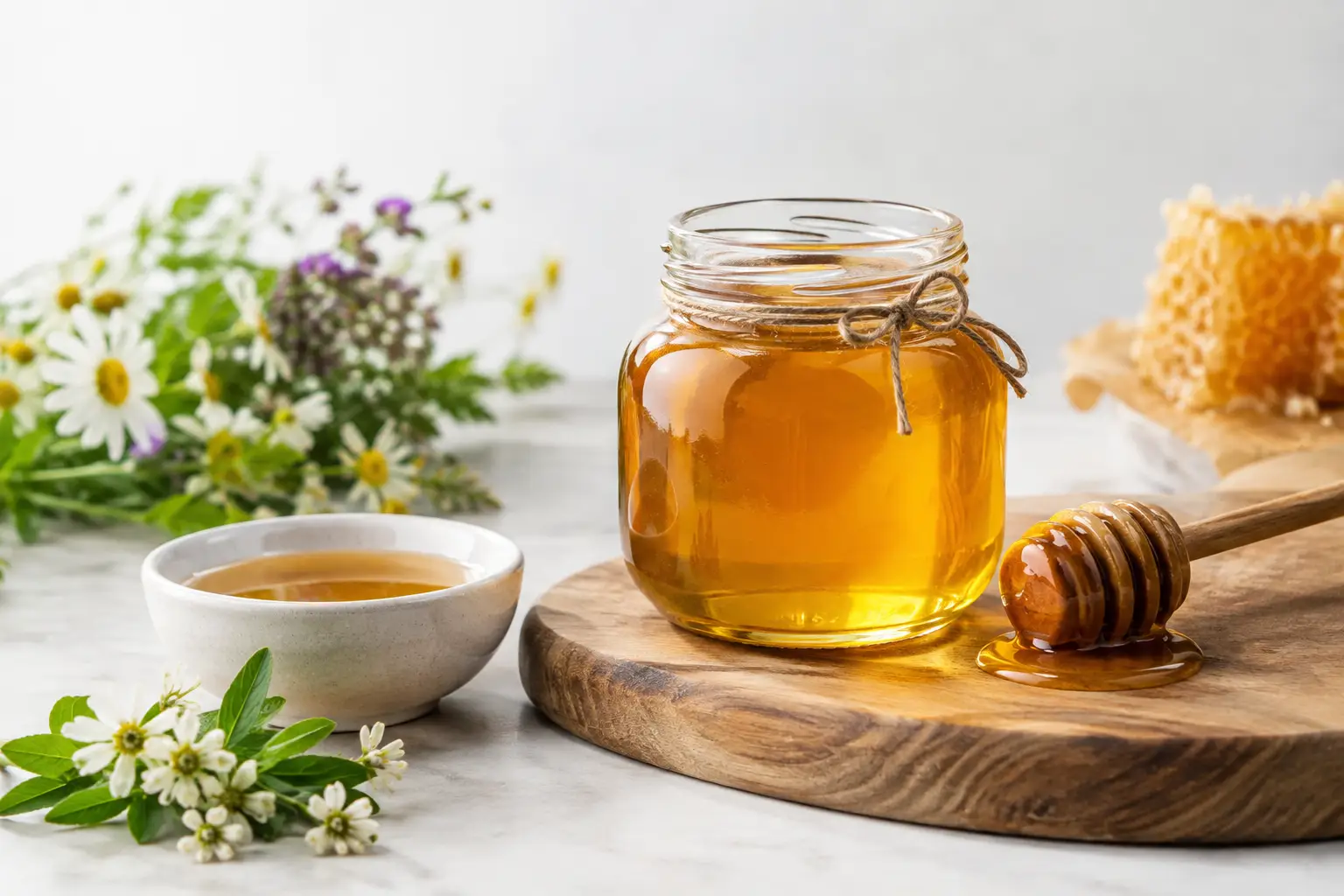
A honey jar can look wholesome while telling you very little about what is inside it. That is why clean label honey trends are moving beyond attractive packaging and simple promises. For families and wellness-minded shoppers, the real question is becoming more precise: Can you identify the ingredient, the place it came from, and the care behind every spoonful?
Honey should be one of the simplest foods in the pantry. At its purest, it has one ingredient: honey. Yet the growing demand for cleaner foods has made shoppers more alert to vague sourcing, blended products, excessive processing, and labels that make natural claims without offering much proof. This shift is good news for people seeking a more honest daily sweetener – and for traditional honeys whose character comes directly from the land.
Clean Label Honey Trends Are Raising the Standard
A clean label is not a formal guarantee of quality on its own. It is a shopper expectation: fewer ingredients, plain language, clear sourcing, and a product that feels close to its natural state. In honey, those expectations should be especially high because the product does not need preservatives, artificial flavors, or added colors to be delicious.
The strongest clean-label trend is ingredient simplicity. A jar labeled as pure honey should not contain corn syrup, sugar syrup, flavoring, or other sweeteners. Reading the ingredient panel is still worthwhile, even when the front label uses words like “natural” or “raw.” The shortest ingredient list is the one honey has always had: 100% honey.
But a clean ingredient list is only the first step. Honey can be pure and still be anonymous. More shoppers want to know whether it is a broad commercial blend or a distinct honey tied to a recognizable region, nectar source, and harvesting tradition. That interest has made origin one of the most meaningful measures of modern food quality.
From generic honey to a known place
For decades, supermarket honey was often treated as a pantry basic. Today, consumers are choosing honey the way they choose olive oil, coffee, or chocolate: with attention to provenance. They want a taste of a specific landscape, not simply a sweet golden liquid.
Yemeni Sidr honey fits this movement naturally. It is gathered from the nectar of Sidr trees, which have long been part of Yemen’s natural and cultural heritage. Its deep amber color, rich aroma, and layered flavor are not created in a factory. They reflect the trees, the season, and the terrain where the bees forage.
A named origin also gives a purchase more meaning. When a jar identifies where its honey comes from, it invites shoppers to value the people and traditions behind it. For culturally connected families, it can bring a familiar taste closer to home. For curious food lovers, it offers an experience that mass-market blends cannot easily provide.
What “Unprocessed” Should Mean for Honey
The word unprocessed can be used loosely, so it helps to understand the practical difference. All honey needs careful handling after harvest. It may be strained to remove natural hive particles, placed in jars, and stored properly to preserve its quality. Those steps do not take away from its purity.
The concern is unnecessary alteration. Heavy heating and extensive filtration can change honey’s natural texture, aroma, and character. A clean-label-minded shopper often looks for honey that has been handled gently and kept close to the form in which it was harvested.
That does not mean every premium honey must look identical. Natural honey varies from batch to batch. Its shade may shift with the bloom and season, and its flavor may be lighter, darker, fruitier, or more earthy. This variation is not a flaw. It is often a sign that honey has not been engineered to deliver a perfectly uniform product year after year.
Crystallization deserves the same perspective. Pure honey can crystallize over time, particularly in cooler conditions. It is a natural change in texture, not a sign that the honey has gone bad. If you prefer it pourable, gently warming the jar in warm water can soften the crystals. Avoid overheating it, especially if preserving its natural qualities is a priority.
Transparency Matters More Than Trendy Language
Clean labels are becoming more valuable because shoppers have learned that a beautiful word is not the same as a meaningful standard. “Pure,” “natural,” and “premium” should be supported by useful information, not treated as decoration.
When choosing specialty honey, look beyond the headline on the jar. A trustworthy seller should be able to communicate the honey’s origin clearly, explain what makes it distinct, and state plainly that no additives have been used. If the honey is marketed as Sidr, its Yemeni roots should be central to the story rather than an afterthought.
Packaging and price can offer clues, but they are not proof by themselves. Genuine origin-specific honey is often more expensive than ordinary blends because it involves limited harvests, specialized sourcing, and careful transport. Still, a higher price should come with greater clarity. The value lies in what you can understand about the jar, not just in how luxurious it appears.
This is where traditional food knowledge meets a modern shopper’s standards. People do not want to choose between heritage and transparency. They want both: a product with a real history, presented with the straightforward information needed to buy confidently.
The Wellness Shift Is About Daily Rituals
Another force behind clean label honey trends is the move toward small, intentional wellness rituals. Many people are replacing heavily processed snacks and refined sweeteners with pantry foods that feel nourishing and familiar. Honey is easy to use this way: stirred into warm tea, spooned over yogurt, paired with tahini, added to oatmeal, or enjoyed by the teaspoon.
Sidr honey is particularly appreciated for its full-bodied taste and naturally occurring compounds found in honey. It can make a modest ritual feel special without requiring an elaborate routine. Its richness also means a little can go a long way in recipes where flavor matters.
Still, natural does not mean unlimited. Honey is a sweetener and should be enjoyed in a way that suits your individual dietary needs. It is not recommended for children under 12 months, and anyone managing blood sugar or a specific health condition should follow guidance from a qualified health professional. These are not limits on honey’s value – they are part of using real food thoughtfully.
Why Single-Origin Character Is Worth Seeking
The clean-label movement is often described as a rejection of additives. That is true, but it misses the more interesting part. People are also choosing foods with identity. They want products that have not been stripped of their connection to place.
Single-origin or origin-specific honey offers that connection. Instead of trying to taste the same in every jar, it carries a recognizable personality. Yemeni Sidr honey is treasured for this reason. Its bold, caramel-like depth and aromatic finish make it more than a replacement for table sugar. It is Nature’s Gold from a landscape with a story.
There is a trade-off, of course. Specialty honey may not be the cheapest choice for a large baking project, and its distinctive flavor may be more pronounced than a mild clover honey. For everyday recipes where the honey’s taste will disappear, a less expensive option may be perfectly practical. But when you want the honey itself to be noticed – on warm bread, with cheese, in tea, or as a thoughtful gift – origin and quality become part of the experience.
A Better Question to Ask at the Shelf
Rather than asking whether a honey label sounds clean, ask whether it gives you a reason to trust it. Is the ingredient list uncomplicated? Is the source named? Is the honey’s flavor and appearance allowed to reflect nature? Does the seller speak confidently and specifically about how the honey reaches your table?
These questions turn a trend into a standard. They help you choose honey that honors the work of bees, the knowledge of harvesters, and the simple pleasure of eating something real.
The finest jar does not need a long list of claims. It needs a clear origin, careful handling, and the unmistakable taste of honey as nature intended – straight from the heart of Yemen to your daily table.