A jar of exceptional honey begins long before the first hive frame is lifted. It begins when the right flowers open, when rainfall supports nectar flow, and when beekeepers give colonies enough time to turn nectar into mature honey. This guide to honey harvesting seasons explains why timing is one of the quiet forces behind honey’s flavor, aroma, color, and value.
For lovers of rare honey, seasonality is not a small detail on a label. It is part of the product’s identity. Just as coffee, olive oil, and wine reflect their growing conditions, honey carries the character of a particular place and flowering season. A pale spring honey and a deep, richly aromatic Sidr honey may both be pure, yet their profiles can be beautifully different.
Why Honey Has a Harvest Season
Honey is made from nectar, and nectar is only available when plants are flowering and producing it in meaningful amounts. Bees may forage throughout much of the year in warm climates, but a true harvest depends on a strong nectar flow: a period when blooms are abundant enough for a healthy colony to produce more honey than it needs for its own stores.
The calendar changes from one region to another. In colder parts of the United States, the main honey harvest often follows spring and summer flowering, with a final collection before winter. In dry or mountainous landscapes, rainfall may matter even more than the month itself. Rain at the right time can awaken flowering trees and wild plants. Too little rain may mean fewer blooms, while excessive rain can make it harder for bees to forage.
This is why honest honey sourcing requires patience. Beekeepers cannot simply choose a date and expect nature to cooperate. They watch colonies, local weather, flower cycles, and the condition of the honey inside the comb.
The Main Honey Harvesting Seasons
While every region follows its own rhythm, honey seasons are often understood through three broad periods: spring, summer, and late-season harvests. Each can create a distinct kind of honey.
Spring: Bright, Floral, and Often Delicate
Spring is a season of renewal for bees and flowering plants alike. Fruit trees, clover, wildflowers, citrus blossoms, and early shrubs can provide a generous nectar source. Spring honey is often light in color with a fresh, gentle floral aroma, although the exact result depends entirely on the dominant blooms nearby.
For beekeepers, spring is also a period of colony growth. A hive may be busy building population and raising brood, so harvesting too aggressively can weaken the colony before the larger nectar flows arrive. Careful beekeepers take only surplus honey and leave sufficient stores for the bees.
Summer: The Classic Season for Abundance
Summer is the most familiar honey season in many parts of the United States. Long days, warm temperatures, and diverse field or meadow blooms can create strong nectar flows. Clover, basswood, alfalfa, blackberry, and countless wildflowers may contribute to the harvest.
Summer honey can range from mild and golden to full-bodied and amber. Because bees may visit many flowering plants, some summer varieties are called wildflower honey. Their flavor can change from year to year, which is part of their natural appeal.
Heat also brings trade-offs. During drought, flowers may produce less nectar even when they appear plentiful. A beekeeper who harvests based on a fixed calendar rather than the hive’s real condition risks taking honey before the season has truly delivered.
Late Summer and Fall: Deeper Flavor, Careful Decisions
Late-season honey often has more depth in color and flavor, especially where asters, goldenrod, sage, and late-blooming plants are plentiful. Yet this is also the season when beekeepers must think most carefully about the colony’s winter needs.
In areas with harsh winters, bees need adequate honey reserves to survive when forage disappears. Responsible harvesting is never about emptying a hive. It is about taking the surplus after the colony’s needs have been respected. For customers, this care is part of what makes a thoughtfully sourced honey feel truly premium.
Sidr Honey Follows a Different Rhythm
A guide to honey harvesting seasons would be incomplete without recognizing that rare single-origin honey does not follow a universal American schedule. Yemeni Sidr honey comes from the nectar of the Sidr tree, a revered tree that thrives in the landscapes of Yemen and other parts of the Arabian Peninsula.
The main Sidr flowering period in Yemen is commonly associated with autumn, often from roughly October through December, though timing varies by valley, elevation, rainfall, and local climate. This bloom is brief and precious. When Sidr trees flower, skilled beekeepers place and tend their hives with close attention, allowing bees to gather nectar from these distinctive blossoms.
The harvest that follows is shaped by far more than the calendar. Yemen’s terrain includes valleys, mountains, and arid areas with highly local weather patterns. A season with favorable rainfall and healthy blooms may yield more honey. A dry season or a disrupted flowering cycle may produce less. That limited supply is not a marketing detail. It is one reason authentic Sidr honey is treasured as Nature’s Gold.
Its deep amber color, rich aroma, and layered taste reflect both the Sidr blossom and the land around it. No two harvests are perfectly identical, and that natural variation is a sign of real agricultural origin rather than industrial standardization.
How Beekeepers Know Honey Is Ready
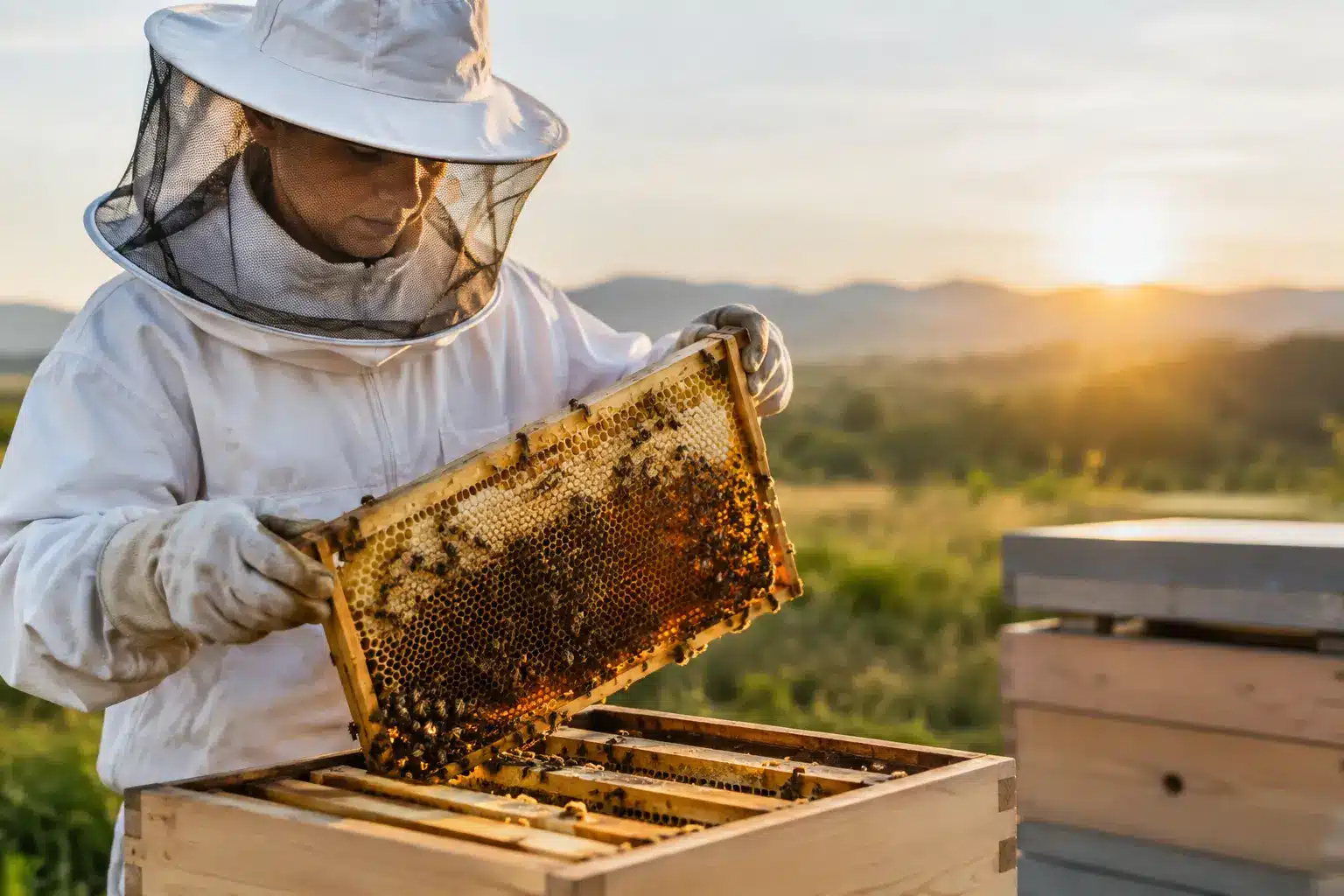
A harvest should begin when honey is mature, not merely when the hive looks full. Bees transform watery nectar by fanning it and reducing its moisture content. Once honey is sufficiently ripened, they seal the comb cells with a thin wax cap.
Capped honey is a key sign of readiness. Beekeepers often look for frames that are mostly capped before collecting them. If honey is removed too early, excess moisture can lead to fermentation during storage. Mature honey, handled carefully, is naturally stable and can retain its distinctive character for a long time.
Harvesting also calls for a gentle approach. Frames are removed, bees are respectfully cleared from the comb, and honey is extracted or strained with minimal processing. For those who value unprocessed honey, this matters. Heavy heating and fine filtering may create a more uniform appearance, but they can also remove some of the natural qualities shoppers seek in raw or minimally processed honey.
What Seasonality Means When You Buy Honey
For customers, seasonality offers a more meaningful way to judge honey than color alone. Dark honey is not automatically better, and pale honey is not automatically milder in every case. The floral source, region, weather, storage, and handling methods all contribute to the final jar.
Look for clear origin information and a straightforward ingredient list. Pure honey should not need added syrups, artificial flavors, or unnecessary fillers. If a honey is presented as single-origin or monofloral, the seller should be able to explain the plant source and region with confidence.
Crystallization is also natural. Many pure honeys crystallize over time, especially in cooler conditions. It does not mean the honey has spoiled or become inferior. A gentle warm-water bath can soften it again without exposing it to excessive heat.
When choosing a honey for daily tea, cooking, family breakfasts, or a thoughtful gift, let the season and origin guide your expectations. A local spring wildflower jar offers one kind of pleasure. Genuine Yemeni Sidr honey offers another: a rare harvest shaped by ancient trees, traditional beekeeping knowledge, and the remarkable landscapes of Yemen.
At Yemen Honey Store, that heritage is honored through authentic Sidr honey selected for purity, natural richness, and a taste that carries its origin with pride. The next time you open a jar, pause for a moment. You are tasting not only sweetness, but the bloom, weather, patience, and skilled hands behind a season that could never be repeated in exactly the same way.