A jar of premium honey can carry far more than sweetness. It can reflect the health of a landscape, the skill of a beekeeper, the treatment of bees, and whether the people behind the harvest are paid fairly for rare natural products. That is why ethical honey sourcing trends matter to shoppers who want more from honey than a pleasant label and a golden color.
For lovers of Yemeni Sidr honey, this question is especially meaningful. Sidr honey comes from a heritage tied to ancient Sidr trees, seasonal flowering, and traditional beekeeping knowledge passed through generations. Its rarity is part of its value. Protecting the places and people that make it possible is part of what makes it worth seeking out.
Ethical honey sourcing trends are raising the standard
Ethical sourcing is not a single certification, a decorative seal, or a vague promise that a product is “natural.” In honey, it is a chain of decisions: how hives are managed, when honey is collected, how it is handled after harvest, who benefits financially, and whether the stated origin can be supported.
Consumers are increasingly asking for specifics. They want to know where a honey was harvested, whether it is raw or heavily processed, and whether it has been blended with lower-cost honey from unknown sources. They also want reassurance that a premium price reflects real quality and responsible work, not simply luxury packaging.
This shift is welcome. Honey has long been vulnerable to confusing labels and blends that blur geographic origin. A traceable, carefully sourced jar gives customers a clearer connection to the land and tradition behind every spoonful.
Traceable origin is becoming a true mark of quality
The strongest trend in ethical honey is origin transparency. “Pure honey” is a starting point, but discerning shoppers are looking further. They want a producer or seller to identify a country, region, floral source, and, when possible, the harvesting community or season.
For Sidr honey, geographic detail matters because Yemen’s valleys and highlands do not produce identical honey. Climate, rainfall, elevation, and local Sidr blooms influence color, aroma, texture, and flavor. Honest origin information honors those differences rather than treating every dark, rich honey as interchangeable.
Traceability also helps protect shoppers from misleading claims. A seller should be able to speak clearly about where honey comes from and how it moves from beekeeper to customer. The shorter and more accountable that path is, the easier it is to preserve identity, reduce unnecessary handling, and build trust.
There is a practical trade-off. Small-scale harvests can vary from season to season, and nature does not produce uniform batches on demand. That variation is often a sign of authenticity, not a flaw. Real honey reflects weather, flowering conditions, and the living landscape that produced it.
Fair value for beekeepers matters as much as the final jar
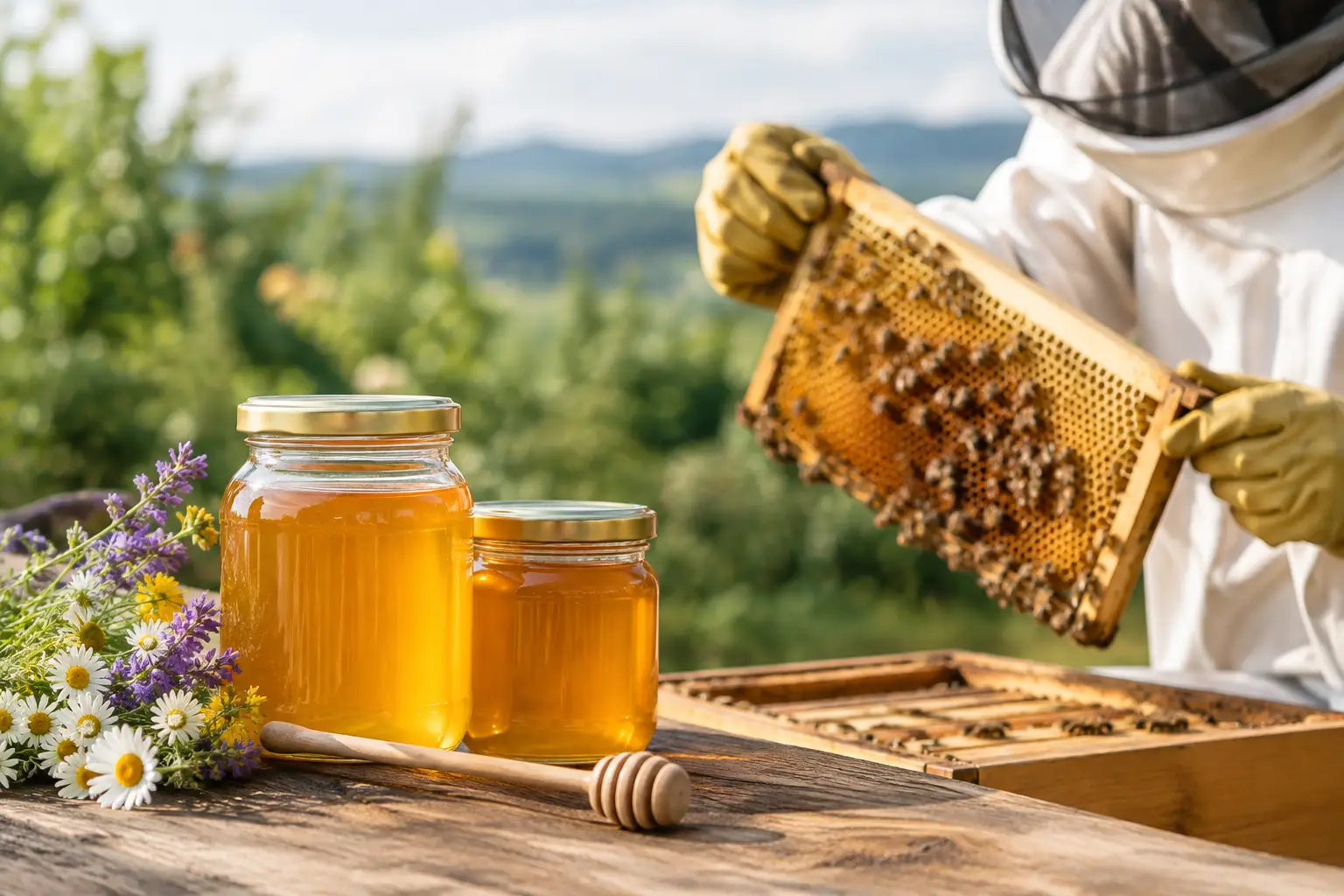
Traditional beekeepers do skilled work that cannot be replaced by a factory process. They understand local flowering cycles, protect hives through difficult conditions, and harvest with care. Yet in many supply chains, the people closest to the land receive the smallest share of the final price.
Ethical honey sourcing increasingly means valuing the beekeeper as a partner rather than treating honey as an anonymous commodity. Fair purchasing practices can help sustain families, preserve traditional knowledge, and make it more realistic for younger generations to continue beekeeping.
This does not mean every ethical product must make broad claims about social impact. It means responsible sellers should avoid using heritage as a marketing costume while ignoring the people who safeguard that heritage. Respectful sourcing shows up in long-term relationships, direct communication, reliable purchasing, and a willingness to pay for genuine quality.
For buyers, a higher price can be easier to understand when it is connected to rarity, careful harvest methods, limited yields, and the human expertise behind the honey. Premium honey should offer more than a premium story. It should carry a credible standard of care.
Bee welfare and thoughtful harvesting
A healthy hive is the foundation of honey production. As consumers learn more about pollinators, bee welfare has become a central part of the conversation around ethical sourcing.
Responsible harvesting begins with restraint. Bees need sufficient honey stores to support the colony, particularly during periods when flowering is limited. Taking every available frame may increase short-term yield, but it can weaken colonies and create pressure to rely heavily on substitute feeding. Ethical practices favor the long view: protect the hive first, then harvest what is responsibly available.
The details vary by climate and beekeeping style. A method that works in one region may not suit another. That is why rigid, one-size-fits-all promises can be less meaningful than a producer’s demonstrated understanding of local conditions. In Yemen, where Sidr flowering and weather patterns shape the harvest, traditional local knowledge is not an extra. It is essential.
Gentle handling after collection matters, too. Excessive heating and aggressive filtering can make honey look more uniform, but they may diminish the aroma, pollen, and naturally occurring character that make a distinctive honey special. Unprocessed or minimally handled honey is not merely a wellness preference. It can also reflect respect for the harvest itself.
Purity testing is part of ethical accountability
Ethics and authenticity meet at purity. Honey adulteration is a real concern in the global market, particularly where honey is blended, diluted, or sold with unclear origins. A responsible sourcing culture treats testing and quality control as protection for both customers and honest beekeepers.
Shoppers should be cautious of products that make grand claims while offering no meaningful information about their source or handling. Clear ingredient statements matter. So does a commitment to honey that contains no added syrups, artificial flavoring, or unnecessary fillers.
Purity is particularly important for Sidr honey because its name has value. When a honey is presented as Yemeni Sidr, customers deserve a product that respects that identity. The goal is not to turn every jar into a laboratory report. It is to make sure tradition is supported by accountability, not used in place of it.
Protecting landscapes, not just hives
Honey cannot be ethical if the flowering landscape is disappearing. The rise of regenerative agriculture, habitat conservation, and native plant protection has expanded the meaning of responsible honey sourcing.
Sidr trees are deeply connected to Yemen’s natural and cultural heritage. Protecting the environments where they grow supports more than a single harvest. It helps preserve biodiversity, seasonal food sources for pollinators, and a living relationship between communities and the land.
This is where “local” and “ethical” are not always the same thing. Local honey may reduce shipping distance, which can be valuable, but it is not automatically more transparent, purer, or more supportive of bee-friendly practices. Likewise, an imported specialty honey can be responsibly sourced when its origin is clear, its producers are respected, and its journey is managed with care.
The best choice depends on what matters most to the buyer. Some will prioritize proximity. Others will seek a rare, origin-specific honey because it sustains a traditional harvest and offers a flavor impossible to reproduce elsewhere. Thoughtful sourcing makes room for both, without pretending there is one perfect answer.
What to look for when buying ethical honey
A trustworthy honey purchase begins with asking better questions. Look for a clear country and floral source rather than broad language that could describe almost any product. Seek straightforward statements about ingredients, processing, and origin. Notice whether the brand explains the harvest with respect and detail instead of relying on dramatic claims alone.
It also helps to understand what authentic honey can look like. Color may range from light amber to deep brown. Texture can change with temperature and time. Crystallization is natural and does not mean honey has gone bad. A distinctive taste, a floral finish, or variation between harvests can be signs that the honey has not been stripped of its character for the sake of sameness.
At Yemen Honey Store, the promise of genuine Yemeni Sidr honey rests on the qualities customers should expect from a specialty product: natural purity, a meaningful origin, and respect for the traditional heritage behind Nature’s Gold.
Ethical sourcing is ultimately a choice to value honey as a living product of bees, blossoms, land, and human care. When you choose a jar with a clear story and a carefully protected origin, you help keep that story alive with every spoonful.