
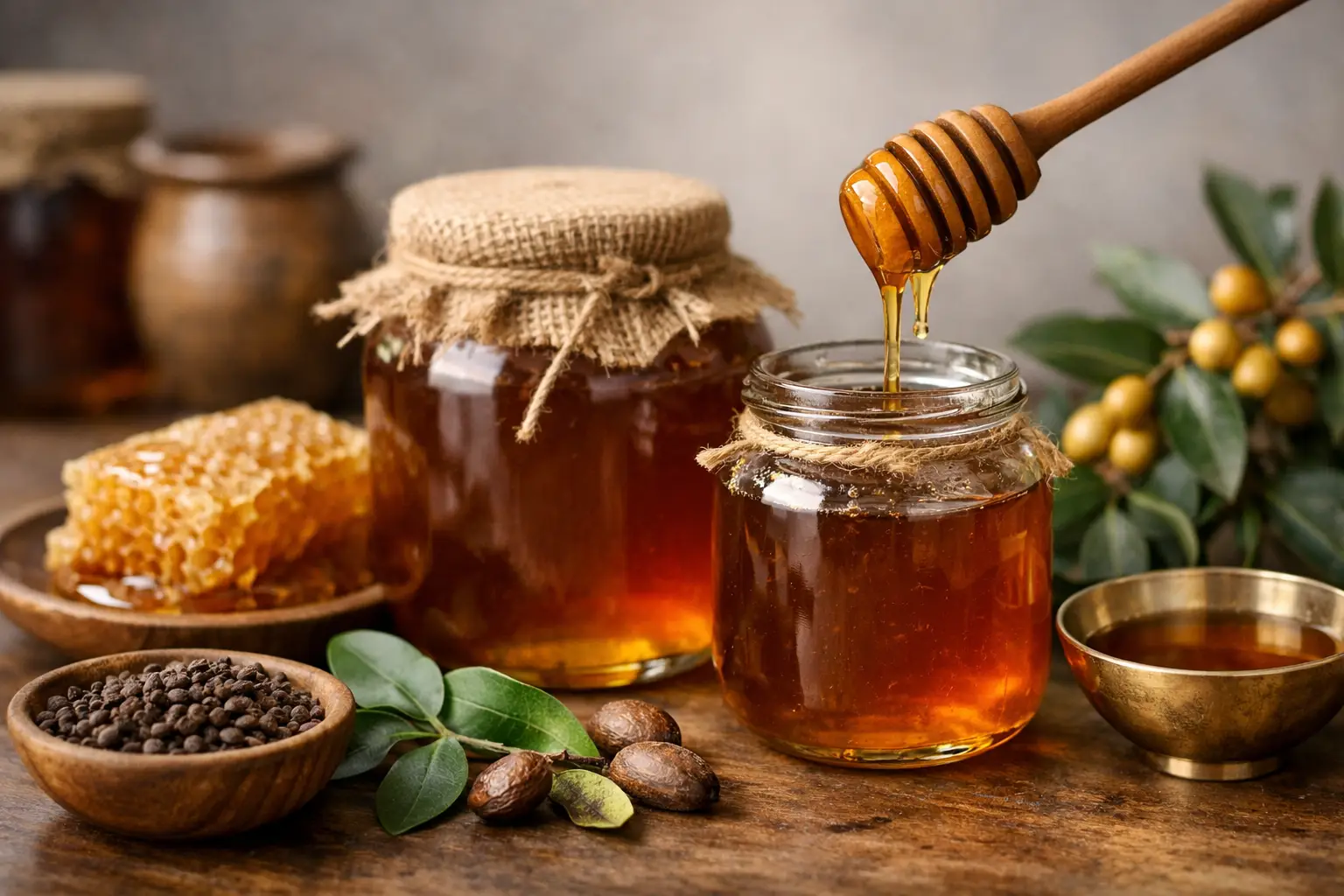
A jar labeled “Sidr honey” can look impressive on a shelf, but the label alone does not tell you whether it carries the depth, purity, and heritage that make this honey so prized. When people search for the best sidr honey brands, they are usually looking for more than a sweet spread. They want Nature’s Gold: genuine honey connected to Yemen’s Sidr trees, traditional beekeeping, and a flavor that cannot be copied by a generic blend.
The best choice is not always the jar with the darkest color, the highest price, or the boldest wellness claims. Authentic Sidr honey should earn its place in your pantry through clear origin, careful handling, natural ingredients, and a taste that feels remarkably full from the first spoonful.
Why Sidr Honey Is Different
Sidr honey is made when bees forage on the blossoms of the Sidr tree, also known as the jujube tree. In Yemen, these ancient trees grow across rugged valleys and landscapes where beekeeping knowledge has been passed through generations. The result is a honey valued for its rich character, naturally occurring nutrients, and cultural significance.
True Yemeni Sidr honey is typically golden to deep amber, although color can shift with the season, region, and floral conditions. Its aroma is warm and distinctive, while the flavor often begins with a gentle sweetness before developing caramel-like, herbal, or lightly fruity notes. It is rich without being harsh.
That complexity matters. Mass-market honey is often filtered, heated, or blended from multiple origins to create a uniform product. A high-quality Sidr honey may be less predictable from harvest to harvest, and that is part of its appeal. Nature does not produce every season in exactly the same way.
Best Sidr Honey Brands Start With a Clear Origin
The most meaningful question is not simply, “Which brand is best?” It is, “Can this brand clearly tell me where its honey comes from?” For Sidr honey, Yemen should be named plainly when the product is presented as Yemeni Sidr. Vague language such as “Middle Eastern honey,” “desert honey,” or “Sidr-style honey” does not provide the same assurance.
Look for sellers that explain the regional connection and speak directly about Yemeni sourcing rather than treating origin as a decorative detail. A jar of premium honey should have a story that can withstand a closer look: where it was harvested, what blossoms the bees visited, and how it reached your table.
Origin transparency also helps distinguish true Sidr honey from blends. Honey may be genuine while still being a mixture of floral sources or countries. That does not automatically make it poor quality, but it is different from a focused, origin-specific product. If your goal is the treasured flavor and heritage of Yemen, clarity is worth paying for.
1. The ingredient list should be beautifully simple
Pure Sidr honey has one ingredient: honey. There should be no corn syrup, cane sugar, artificial flavoring, preservatives, or added sweeteners. A premium product does not need help tasting good.
Be cautious with labels that use phrases like “honey blend” without explaining what is in the blend. The wording can be easy to miss, especially when the front label emphasizes Sidr imagery. Turn the jar around and read every detail before buying.
2. Raw and unprocessed handling deserves attention
Many honey lovers prefer raw or minimally processed honey because it preserves the honey’s natural character. Excessive heat and aggressive filtration can make honey look uniformly clear and delay crystallization, but those processes may also reduce the aromatic details that make a special harvest memorable.
Still, the word “raw” should not be treated as a magic guarantee. Honest sourcing, proper storage, and a straightforward ingredient list matter just as much. A trustworthy brand explains its handling practices without making exaggerated promises.
3. Real honey is allowed to change
Crystallization is one of the most misunderstood signs in honey shopping. Pure honey can crystallize over time, especially in cooler kitchens. This is a natural change in texture, not proof that the honey is spoiled or diluted.
Sidr honey may stay smooth for a long period or develop crystals depending on its natural composition and storage conditions. Do not reject a jar simply because it is not perfectly liquid. If you prefer it softer, place the sealed jar in gently warm water rather than overheating it.
4. Aroma and taste should feel layered, not flat
The finest Sidr honey does not taste like plain sugar. It has presence. Expect a rounded sweetness with depth, a lingering finish, and an aroma that suggests flowers, warm earth, or dried fruit. The exact profile will vary because every harvest responds to rainfall, bloom conditions, and the local environment.
A honey that tastes only sharply sweet may still be honey, but it is less likely to deliver the memorable experience people seek from premium Yemeni Sidr. Consider beginning with a smaller jar if you are new to it. Once you know the profile you enjoy, choosing a larger size becomes easier.
5. Packaging should protect, not distract
Glass jars are popular for premium honey because they are sturdy, reusable, and let buyers see the honey’s color. More important than the container, though, is a secure seal, clear labeling, and storage guidance. Honey should be kept tightly closed at room temperature and away from direct sunlight.
A beautiful label is welcome, but it is not evidence of authenticity. Heritage-inspired design should be supported by practical details: ingredients, country of origin, net weight, and the seller’s commitment to purity.
6. Respectful wellness language is a good sign
Sidr honey has a longstanding place in traditional food and wellness routines. Many people enjoy a spoonful in warm water, over breakfast, or as a naturally sweet addition to tea. Its natural sugars offer quick energy, and it contains compounds that make it more interesting than an ordinary refined sweetener.
Yet a responsible brand will not present honey as a cure-all. Honey is a food, not a replacement for medical care. It should never be given to children under one year old, and anyone managing blood sugar or a specific health condition should consider how it fits their individual dietary needs. Balanced guidance is often a stronger sign of quality than dramatic claims.
How to Compare the Best Sidr Honey Brands Before You Buy
Start by comparing what each seller proves, not just what it promises. The strongest options make it easy to identify the country of origin, confirm that the jar contains 100% honey, and understand whether the honey is raw or minimally processed. They treat Yemeni heritage with respect rather than using it as a marketing shortcut.
Price deserves context, too. Genuine Yemeni Sidr honey is often more expensive than supermarket honey because it is limited by geography, flowering seasons, harvesting conditions, and careful importation. A very low price can be tempting, but it should encourage more questions. Premium does not always mean authentic, yet authentic, origin-specific honey is unlikely to be priced like a generic blend.
Reviews can be useful when they describe sensory details rather than simply saying “great product.” Look for comments about aroma, texture, flavor, packaging, and repeat purchases. These details give a clearer picture of the jar waiting in your kitchen.
For shoppers seeking a focused source of 100% natural Yemeni Sidr honey in the United States, Yemen Honey Store centers its selection on that direct connection to the heart of Yemen. The point is not to chase a fashionable label. It is to choose honey with a clear path from traditional landscapes to your table.
Enjoying Authentic Sidr Honey at Home
A premium honey deserves simple pairings that let its flavor speak. Try it on warm toast with tahini, stirred into plain yogurt, spooned over oats, or served beside soft cheese and fruit. A small amount can also bring depth to herbal tea, though boiling water can soften delicate aromas. Let the drink cool slightly first if flavor is your priority.
For a daily ritual, some people enjoy one teaspoon in the morning or after activity as a naturally sweet source of energy. Others save it for moments when food should feel special: a family breakfast, a thoughtful gift, or a comforting evening cup. There is no single right use, only the pleasure of choosing something pure enough to enjoy without complication.
The right jar of Sidr honey should make you slow down for a moment. Choose a brand that names its origin with pride, protects the integrity of the harvest, and lets the natural taste of Yemen remain the center of the experience.