

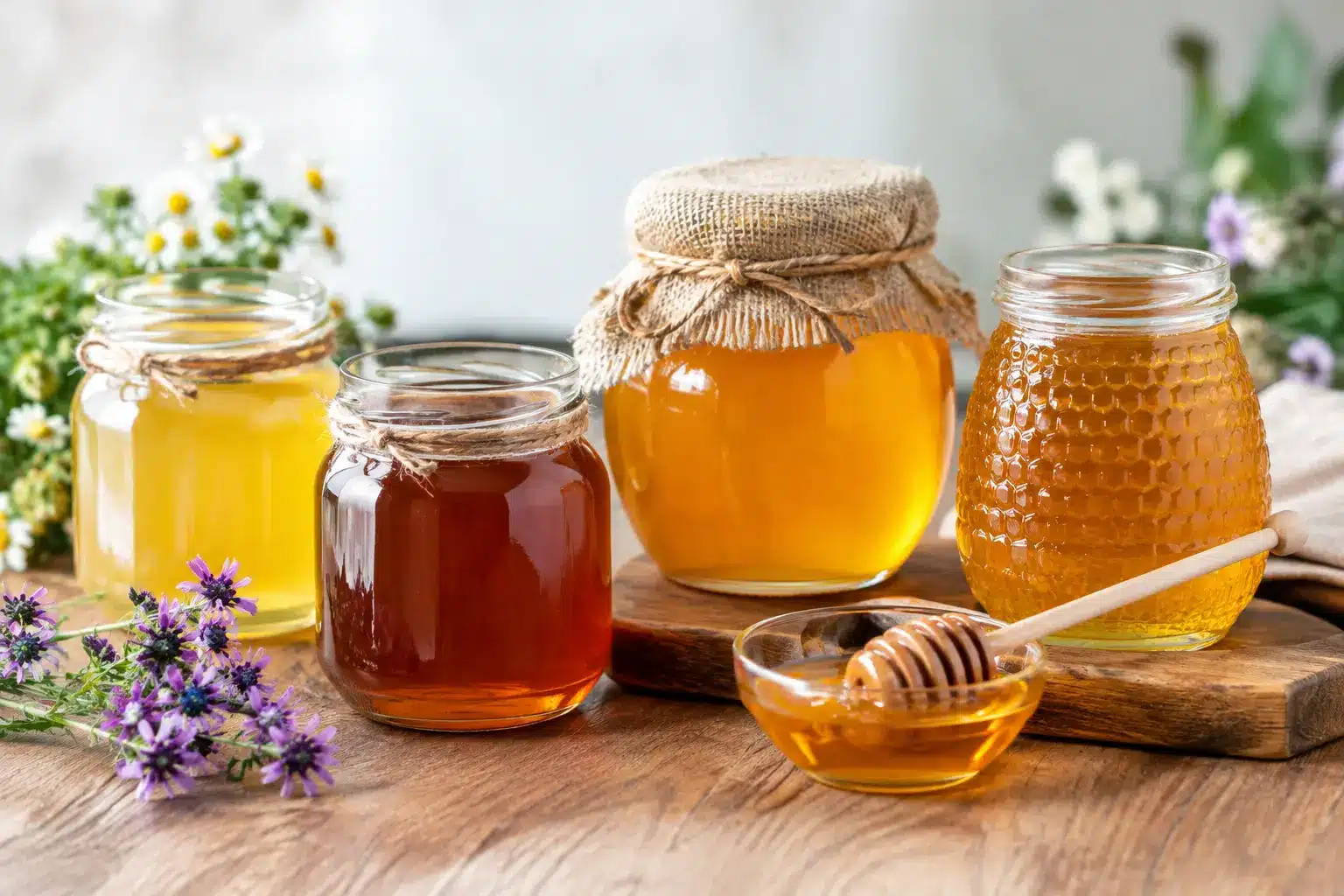
A jar of honey can look golden, promise purity, and still tell you very little about what is inside. This specialty honey buying guide is for shoppers who want more than sweetness: they want a honey with a known landscape, a meaningful harvest tradition, and a flavor that proves it was worth choosing.
Specialty honey is not simply expensive honey in a prettier jar. Its value comes from specificity. The flowers matter. The region matters. The way the honey is harvested and handled matters. When those details are clear, honey becomes one of nature’s most remarkable foods – rich in character, rooted in place, and made without needing a long ingredient list.
Start With the Honey’s True Origin
The strongest sign of a specialty honey is a clear, credible origin. Look beyond a broad label such as “imported” or “pure honey.” A quality producer should be able to identify the country and, ideally, the region or floral source behind the jar.
This is especially important with varietal honeys. Yemeni Sidr honey, for example, is prized because it comes from bees that forage around the Sidr tree in Yemen’s rugged valleys and landscapes. Its deep amber color, rich aroma, and distinctive caramel-like profile are connected to that environment. The name should point to a genuine place and botanical heritage, not serve as a vague marketing phrase.
Origin also helps you understand why one honey costs more than another. A rare, seasonal harvest from a remote region requires careful collection, handling, and transport. That is very different from commodity honey, which may be blended from multiple sources and countries until its original character disappears.
Ask What the Bees Foraged
Some specialty honeys are named for a flower, while others are associated with a region where one nectar source is especially important. Neither approach is automatically better. What matters is whether the seller explains the connection honestly.
A floral source gives you a useful expectation of taste. Clover honey is often mild and familiar. Wildflower honey can vary by season and location. Sidr honey is known for a fuller, more luxurious profile that many people enjoy by the spoonful, stirred into warm drinks, or served with bread, yogurt, and cheese.
Nature is not a factory, though. Even authentic honey can vary slightly in color, aroma, and texture from one harvest to the next. That variation is often a reassuring sign that the honey has not been overly standardized.
Read the Label Like a Specialty Food Buyer
Honey should have one ingredient: honey. That sounds simple, but it is still worth checking every jar. A specialty honey should not need corn syrup, artificial flavors, added sugar, or preservatives to taste appealing.
Look for clear language around purity and handling. “Raw” and “unprocessed” are commonly used terms, but they are most meaningful when paired with straightforward sourcing information. A responsible seller will explain where the honey comes from and present it as honey, not as a mystery blend dressed up with wellness language.
Be wary of labels that make dramatic promises while avoiding basic details. A long list of claimed benefits does not replace transparency about ingredients and origin. Honey can be a nourishing addition to a balanced lifestyle, offering natural carbohydrates and small amounts of naturally occurring compounds, but it is still a sweet food best enjoyed with intention.
For households with young children, remember the standard safety guidance: honey should not be given to infants under 12 months old.
Four Details That Build Confidence
When comparing jars, these details are worth seeking out:
- A named country of origin, preferably with a region or harvest area.
- A clearly stated floral or botanical source when applicable.
- A simple ingredient statement containing only honey.
- Honest information about harvesting, filtering, and packaging.
A beautiful label can be part of the experience, particularly when buying a gift. But a beautiful label without these basics is not enough. Premium honey earns its place through what is in the jar and the story that can be verified behind it.
Understand Raw, Filtered, and Crystallized Honey
Many shoppers assume that runny honey is fresh and crystallized honey is old. In reality, crystallization is a natural process. Depending on its floral composition, storage conditions, and glucose content, real honey may become cloudy, grainy, or firm over time. That does not mean it has spoiled.
If you prefer a smooth pour, gently warm the sealed jar in a bowl of warm water. Avoid overheating it, especially in a microwave, because excessive heat can diminish the delicate aroma and natural character you paid for.
Filtering is more nuanced than labels sometimes suggest. Light filtering can remove natural bits of wax or hive material while preserving the honey’s core flavor. Heavy processing may create a very uniform, ultra-clear appearance, but it can also make honey feel less connected to its original harvest. The right choice depends on what you value: complete visual clarity or a more minimally handled product.
Let Color and Flavor Guide You, Not Judge You
There is no single color that proves honey is superior. Honey can range from nearly clear gold to dark mahogany, and each shade may reflect a different nectar source. Darker honey is not always better, and lighter honey is not automatically less flavorful.
Instead, use color as an invitation to explore. A pale honey may be delicate and floral. A darker honey may offer notes of molasses, dried fruit, spice, or toasted caramel. Authentic Sidr honey is often admired for its warm amber to deeper brown tones and complex, lingering taste, but natural batches can vary.
Taste is where specialty honey truly separates itself from the supermarket squeeze bottle. Take a small spoonful slowly. Notice whether the sweetness is flat or layered. Does it have a floral lift, a buttery finish, gentle earthiness, or a warm richness that stays on the palate? A memorable honey has dimension.
That flavor also determines how you should use it. A mild honey can disappear beautifully into tea or baking. A distinctive honey is often best enjoyed where it can be noticed: on warm toast, with tahini, over plain Greek yogurt, alongside nuts, or stirred into a cup of warm water with lemon.
Know When the Price Is Worth It
Specialty honey is a premium purchase, and it should be evaluated that way. The lowest price is rarely the best measure of value when the product is rare, origin-specific, and carefully sourced. A small jar of authentic varietal honey can offer more enjoyment than a large bottle of anonymous sweetness.
Still, a high price alone is not proof of quality. Ask what supports the cost. Is there a real origin story? Is the harvesting tradition explained? Is the ingredient list clean? Is the honey presented with confidence but without exaggerated claims? When the answers are clear, paying more can feel less like a splurge and more like choosing a food with integrity.
For gifting, origin-specific honey has an advantage. It feels personal, useful, and generous without being ordinary. A jar of genuine Yemeni Sidr honey carries the warmth of hospitality and a connection to a tradition that has been treasured for generations.
Store Your Honey With Care
Honey keeps well when stored properly. Keep the lid tightly closed and place the jar in a cool, dry cupboard away from direct sunlight. Refrigeration is unnecessary and may encourage crystallization more quickly.
Always use a clean, dry spoon. Introducing water or food particles into the jar can affect quality over time. If your honey crystallizes, treat it as a natural change rather than a flaw, then warm it gently if you want to restore a smoother texture.
Choose Honey With a Story You Can Taste
The best specialty honey purchase is not about chasing the darkest color, the boldest claim, or the most expensive label. It is about choosing a jar whose origin is clear, whose ingredients are pure, and whose flavor reflects the land and flowers that made it possible.
At Yemen Honey Store, authentic Sidr honey is valued as Nature’s Gold – a rare taste of Yemen’s heritage, carefully shared with American homes. Choose the honey that invites you to slow down, savor a spoonful, and appreciate how much character can come from one simple, natural ingredient.