A spoonful can tell a story, but not every jar tells the same one. In the question of Sidr honey vs wildflower, the real difference is not simply dark versus light honey or expensive versus affordable honey. It begins with the flowers, the landscape, the harvest, and the care taken to keep honey close to its natural state.
Wildflower honey can be a wonderful pantry staple with a familiar sweetness and broad appeal. Authentic Yemeni Sidr honey is something more specific: a rare, single-source treasure shaped by ancient Sidr trees, traditional beekeeping, and Yemen’s remarkable terrain. Both have a place at the table, but they offer distinctly different experiences.
Sidr Honey vs Wildflower: The Source Makes the Difference
Wildflower honey is a broad category, not one particular kind of honey. Bees make it from the nectar of many flowers blooming in a local area. A wildflower honey from Florida may taste entirely different from one harvested in California, Texas, or the Northeast because local plants, rainfall, temperatures, and seasons all affect the nectar. That variation is part of wildflower honey’s charm.
Sidr honey comes primarily from the blossoms of the Sidr tree, also known as Ziziphus spina-christi. In Yemen, these hardy, ancient trees grow in rugged valleys and remote landscapes where beekeeping traditions have been carried forward for generations. The nectar source is much more defined, giving genuine Sidr honey a recognizable character that is difficult to reproduce elsewhere.
Origin matters here. A label that says “Sidr” does not automatically mean a jar was harvested in Yemen or that it carries the rich qualities associated with Yemeni Sidr. For shoppers seeking the traditional product, clear sourcing and a commitment to unprocessed, additive-free honey are essential.
Flavor, Aroma, and Color
Wildflower honey is often mild, floral, and pleasantly sweet. Its flavor can range from light and fruity to earthy or slightly herbal depending on the flowers visited by the bees. It is versatile enough for tea, toast, yogurt, baking, and everyday family use.
Yemeni Sidr honey is prized for a deeper and more layered taste. Many people notice warm caramel-like notes, gentle spice, rich sweetness, and a lingering finish rather than a quick burst of sugar. Its aroma can be distinctive as well, carrying an earthy, botanical quality that reflects its source. It is honey to savor slowly, whether taken by the spoonful or paired with warm bread, cheese, dates, or tea.
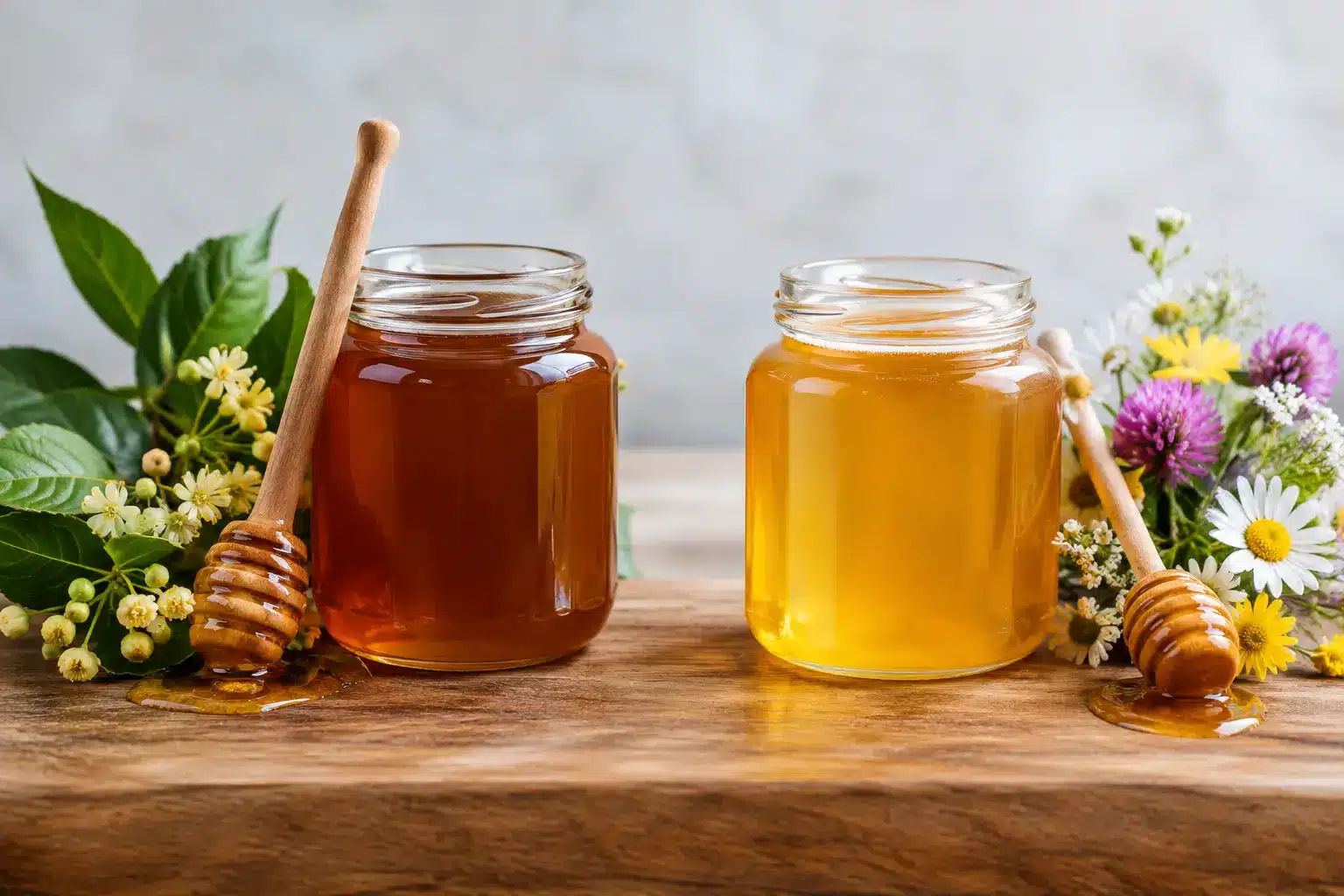
Color is another visible difference, though it should never be the only measure of quality. Wildflower honey may be pale gold, amber, or dark brown. Authentic Sidr honey is often rich amber to deep brown, with a lustrous, golden warmth that has earned it the name Nature’s Gold. Natural color can vary between harvests, and that variation is a sign of a living food shaped by season and place.
Purity Is Separate From Variety
One common mistake is assuming that wildflower honey is processed while Sidr honey is always pure. Neither assumption is reliable. Wildflower honey can be raw and carefully handled, while a product labeled Sidr can still be blended, overheated, diluted, or mixed with inexpensive syrups if the seller does not protect its integrity.
The better question is how the honey was sourced and handled. Look for a clear country of origin, straightforward ingredients, and a seller that identifies the honey as 100% pure. Real honey needs no artificial flavoring, coloring, preservatives, or added sweeteners. A short ingredient statement matters because it gives you confidence that the jar contains what nature provided.
For specialty honey, traceability also carries weight. Yemeni Sidr honey is valued not only because of its floral source, but because it represents a specific cultural and geographic heritage. When choosing a premium jar, shoppers deserve to know whether they are buying authentic honey from Yemen or a generic blend using the Sidr name.
Everyday Use: Which Honey Fits Your Routine?
Wildflower honey is usually the easier choice for recipes that use a larger amount of honey. Its approachable flavor works well in salad dressings, marinades, oatmeal, smoothies, and baked goods. Since it is commonly available in larger containers and at lower prices, it can be a practical everyday sweetener.
Sidr honey is best appreciated when its character can remain front and center. A teaspoon in warm water, a drizzle over Greek yogurt, or a spoonful before a busy morning lets its natural depth come through. It also makes a thoughtful gift for someone who values heritage foods, premium ingredients, and the ritual of a daily wellness routine.
That does not mean Sidr honey must be saved for special occasions. Many families enjoy it as part of their regular pantry, especially when they want a natural source of quick energy with a more meaningful origin story. The trade-off is simple: because authentic Yemeni Sidr is rare and carefully sourced, it typically costs more than standard wildflower honey. Its value lies in quality, provenance, and the experience of enjoying something truly distinctive.
Natural Wellness and Nutritional Perspective
All pure honey contains natural sugars and small amounts of naturally occurring compounds from nectar and pollen. It can be a satisfying alternative to refined sugar when used thoughtfully, and its smooth texture makes it a favorite in traditional home routines. Honey is still a sweetener, so portion size matters, particularly for anyone managing blood sugar or following individualized dietary guidance.
Sidr honey has a long-standing place in Yemeni and Middle Eastern traditions, where it has been treasured as a nourishing food and a symbol of hospitality. Its reputation as a premium wellness staple comes from that heritage, its limited source, and the careful way it is enjoyed. Rather than treating any honey as a cure, it is wiser to see pure honey as a flavorful, natural addition to a balanced lifestyle.
Never give honey of any kind to children under 12 months old. Adults with allergies, diabetes, or specific health concerns should speak with a qualified healthcare professional about what fits their needs.
How to Choose Between Sidr and Wildflower Honey
Choose wildflower honey when you want a flexible, everyday jar with a flavor that reflects local blooms. It is a sensible option for cooking, sharing with the household, and adding gentle sweetness to familiar foods.
Choose authentic Yemeni Sidr honey when origin, purity, and a concentrated tasting experience matter most. It is especially fitting for shoppers who seek unprocessed specialty foods, value traditional harvesting, or want a premium honey for daily rituals and meaningful gifting. The right choice is not about declaring one honey universally better. It is about deciding whether you want broad floral variety or the focused identity of a single treasured source.
What to Look for on the Jar
A trustworthy specialty honey should make its identity easy to understand. Seek a product that states its origin, confirms that it is 100% honey, and avoids vague language that hides blending or additives. Be cautious of prices that seem unusually low for Yemeni Sidr honey, since genuine sourcing, limited harvests, and careful export add real cost.
Texture alone is not proof of authenticity. Honey can remain liquid, become thick, or crystallize over time depending on temperature and its natural composition. Crystallization is not spoilage. Gentle warming can soften crystallized honey, but avoid excessive heat if you want to preserve its natural taste and character.
A good jar of honey should invite curiosity: Where did it come from? Which flowers fed the bees? How was it handled before it reached your kitchen? With authentic Sidr honey, those answers lead back to Yemen’s ancient trees and the people who have honored their harvest for generations.
The next time you reach for honey, choose the jar that matches the moment. Wildflower honey brings the changing character of many blossoms; Yemeni Sidr brings the rare, steady richness of one remarkable homeland.