

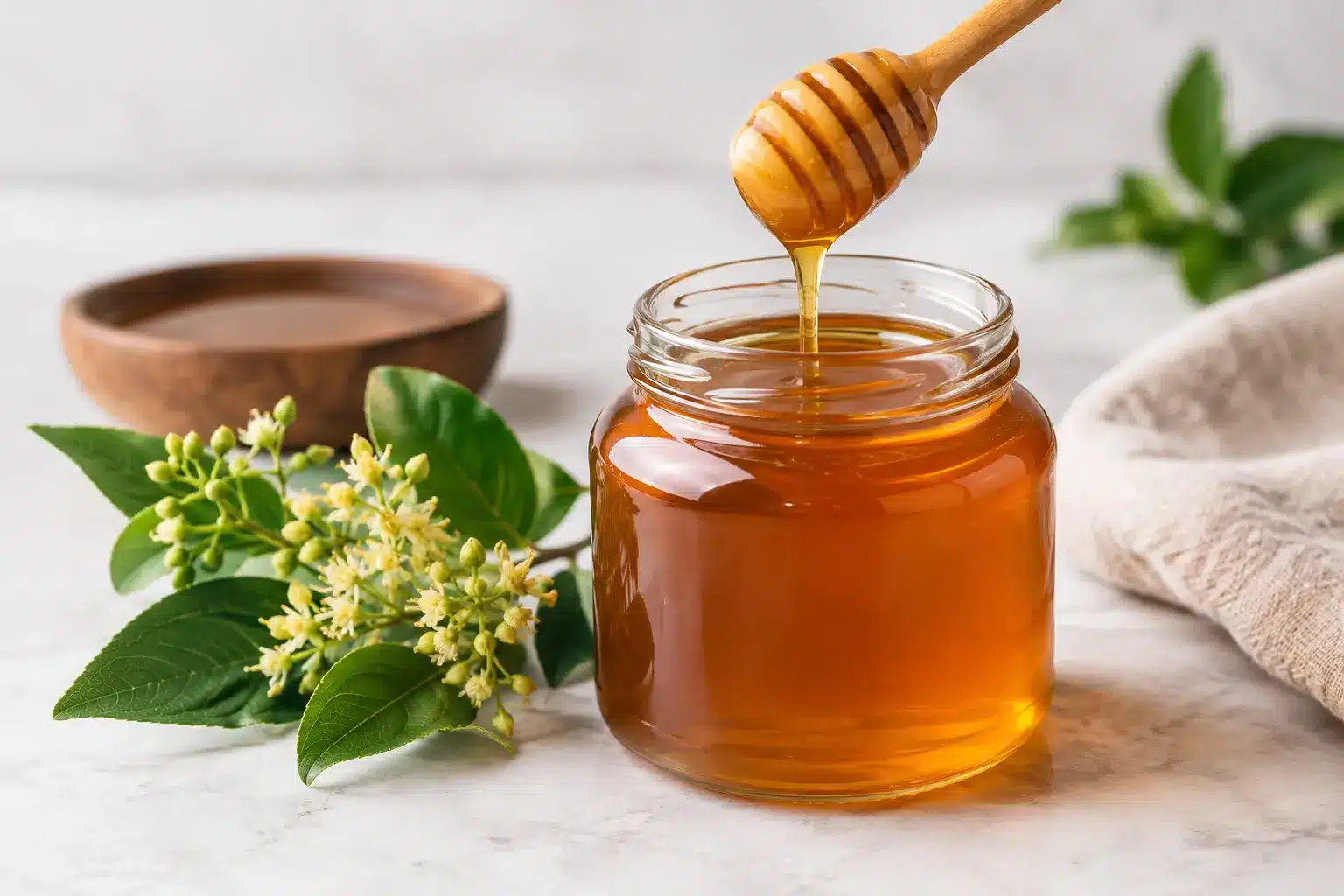
A spoonful of authentic Sidr honey can turn a plain breakfast, warm tea, or family remedy into something special. But is Sidr honey safe daily? For most healthy adults, the answer is yes, when it is enjoyed in a sensible portion and treated as what it is: a naturally rich sweetener, not a replacement for a balanced diet or medical care.
Harvested from the nectar of Yemen’s revered Sidr trees, true Sidr honey is treasured for its deep caramel color, distinctive taste, and centuries of traditional use. Its purity is part of its appeal. Still, even Nature’s Gold contains natural sugars and deserves the same thoughtful approach you would give any premium food in your daily routine.
Is Sidr Honey Safe to Eat Every Day?
Healthy adults can generally enjoy Sidr honey every day. A typical serving is one teaspoon to one tablespoon, depending on your overall diet, activity level, and how much other added sugar you consume. One tablespoon of honey contains roughly 60 to 65 calories and about 17 grams of sugar.
That does not make Sidr honey a food to fear. It simply means quality and quantity should go together. A teaspoon stirred into plain yogurt, drizzled over oatmeal, or taken with warm water can fit comfortably into many routines. If you prefer a full tablespoon, consider it part of your day’s sweetener budget rather than an extra on top of sweet drinks, desserts, and packaged snacks.
Sidr honey also contains small amounts of naturally occurring plant compounds and minerals. These qualities are part of what makes authentic Yemeni honey feel so nourishing and special. They do not, however, remove the need for moderation. The most satisfying daily habit is one you can enjoy consistently without crowding out whole foods such as fruit, vegetables, protein, and fiber-rich grains.
A Sensible Daily Sidr Honey Serving
There is no single perfect amount for everyone. Someone using Sidr honey as an occasional replacement for refined sugar may use a teaspoon daily. An active person who needs quick energy before a walk or workout may choose a tablespoon. Taste matters, too. Genuine Sidr honey has a full, complex character, so a small amount often goes farther than ordinary supermarket honey.
Start with one teaspoon each day for a week. Notice how it fits your meals, your energy, and your preference for sweetness. This is especially useful if you are accustomed to highly processed sweet foods, since Sidr honey can help make simple foods feel more luxurious without needing a large serving.
For the best everyday use, enjoy it with food rather than making it the foundation of your wellness routine. Spoon it over Greek yogurt and walnuts, pair it with tahini on toast, or use it to soften the flavor of unsweetened tea. These combinations add protein, fat, or fiber, which can make a sweet snack more satisfying.
Choose real Sidr honey, not a mystery blend
Daily use is also where authenticity matters most. Honey labeled as a blend may contain honey from multiple regions or added syrups, and it cannot offer the same origin story or flavor as a carefully sourced Yemeni Sidr honey.
Look for a product with a clear country of origin, straightforward ingredients, and no additives. Pure Sidr honey should contain honey and nothing else. Yemen Honey Store brings this tradition straight from the heart of Yemen, with unprocessed, additive-free Sidr honey chosen for people who value both heritage and ingredient integrity.
Who Should Be Careful With Daily Honey?
Sidr honey is a natural food, but natural does not mean appropriate for every person in every amount. A few groups should be especially cautious.
Babies under 12 months should never have honey
Do not give Sidr honey, or any kind of honey, to infants younger than one year old. Honey can contain spores that are harmless to older children and adults but may cause infant botulism in babies. This applies whether honey is raw, filtered, local, imported, premium, or added to baked foods.
After a child’s first birthday, honey can usually be introduced as part of a normal diet. If your child has a health condition or feeding concern, ask their pediatrician for personal guidance.
People managing blood sugar need a plan
Honey may be less processed than table sugar, but it still raises blood sugar. People with diabetes, prediabetes, insulin resistance, or gestational diabetes should account for Sidr honey as a carbohydrate source and discuss appropriate portions with a clinician or registered dietitian.
For some people, a teaspoon alongside a meal may work well. For others, even small servings need closer monitoring. The right answer depends on medication, blood glucose goals, and the rest of the meal. Sidr honey should not be used to replace prescribed treatment.
Allergies and sensitivities deserve attention
A honey allergy is uncommon, but it can happen. People with known allergies to bee products, pollen, or certain plant materials should use caution, particularly with raw or minimally processed honey. If you have had itching, swelling, hives, wheezing, or digestive distress after honey or bee products before, avoid experimenting at home and speak with an allergist.
If you are trying authentic Sidr honey for the first time and have no known allergy, start with a small taste. Stop using it if you notice an unusual reaction.
Does Raw, Unprocessed Honey Change the Answer?
Many people seek Sidr honey precisely because it is unprocessed and close to its natural state. That character helps preserve its flavor, aroma, and cultural authenticity. Yet unprocessed does not mean sterile or medically necessary.
For a healthy adult, raw or unprocessed Sidr honey can be a wonderful daily food. The same core precautions still apply: never give it to infants under one, use care with allergies, and keep portions realistic if you are monitoring sugar intake. Pregnant adults can generally eat honey, but anyone with a high-risk pregnancy, diabetes, or a specific dietary restriction should follow the advice of their own healthcare professional.
Store your honey tightly sealed at room temperature, away from direct sunlight and moisture. Crystallization is natural and does not mean your honey has gone bad. If you prefer a smoother texture, place the jar in gently warm water. Avoid overheating it, especially in the microwave, since intense heat can diminish the delicate qualities that make Sidr honey so prized.
Make Daily Sidr Honey a Better Habit
The best daily honey ritual is simple, pleasurable, and intentional. Use Sidr honey where its flavor can be noticed instead of adding it automatically to everything. A spoonful in the morning may be enough. On other days, save it for a quiet cup of tea, a cheese board, or a nourishing snack when you want a touch of natural luxury.
It also helps to protect your teeth. Like all sugars, honey can contribute to tooth decay when it lingers on teeth throughout the day. Enjoy it with a meal or snack instead of frequent grazing, drink water afterward, and maintain regular brushing and dental care.
If you are looking for fast energy, Sidr honey can be a more meaningful choice than a candy bar or flavored syrup, particularly when paired with foods that provide staying power. Try it with nuts, yogurt, oats, or whole-grain toast. If your goal is reducing added sugar overall, use its bold flavor to replace, not merely accompany, other sweeteners.
The Daily Question Is Really About Balance
Sidr honey earns its place in the pantry through purity, remarkable flavor, and a heritage that reaches back through Yemen’s ancient landscapes. For most adults, enjoying it daily is safe and deeply satisfying when the portion is modest and the honey is genuinely pure.
Let each spoonful be deliberate: a small taste of Yemen’s treasured Sidr trees, enjoyed with care and confidence as part of the meals that already nourish you.