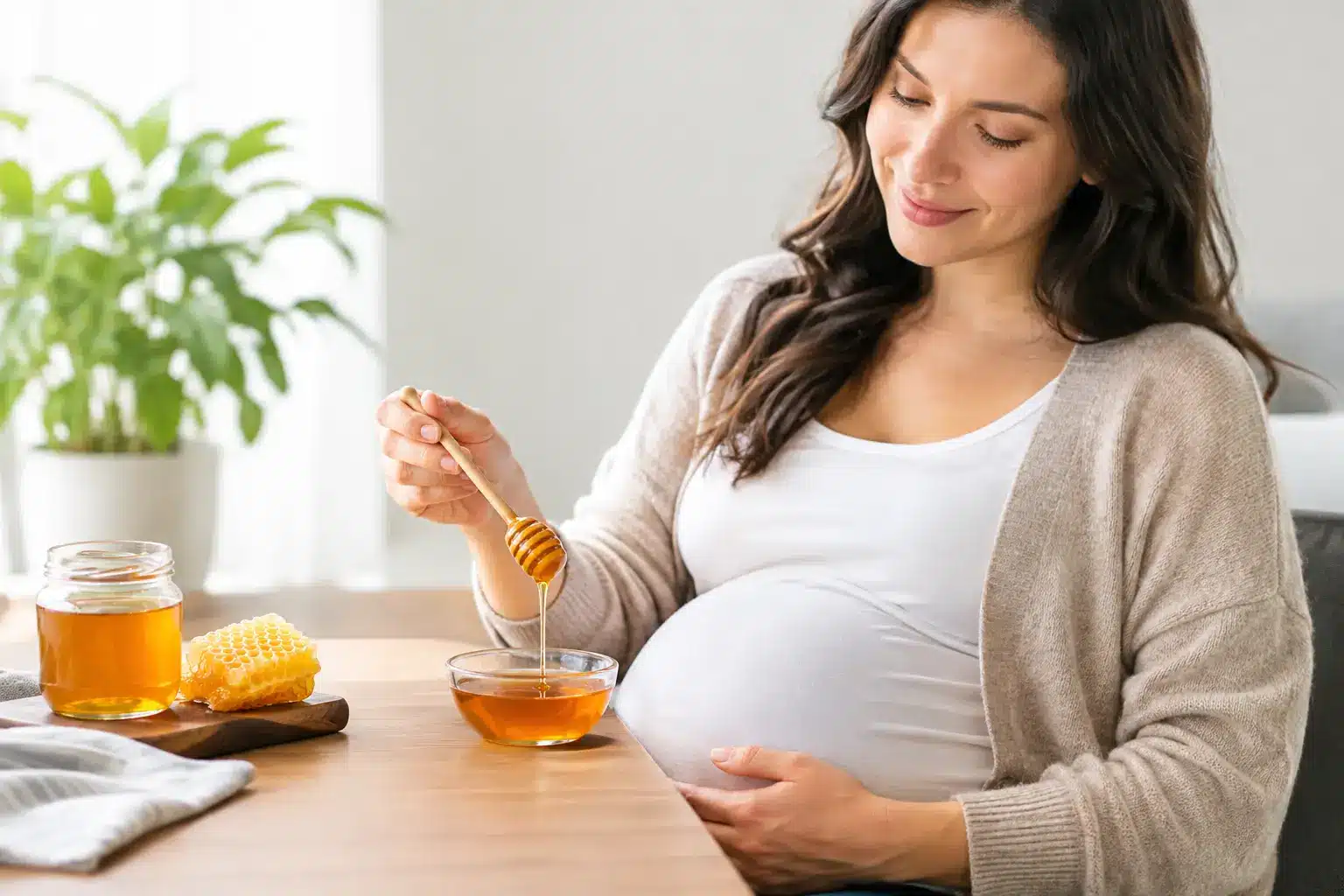
A spoonful of golden honey in warm tea, over yogurt, or stirred into a simple breakfast can be one of pregnancy’s small comforts. But can pregnant people eat honey without concern? For most people, yes. Honey is generally safe during pregnancy when enjoyed as part of a balanced diet, including pure, unprocessed varieties such as authentic Yemeni Sidr honey.
The confusion usually comes from a very real recommendation for babies: honey should not be given to children under 12 months old. That guidance is essential, but it does not mean honey is unsafe for the person carrying the baby. The reasons are different, and understanding that difference can bring welcome peace of mind.
Can Pregnant People Eat Honey Safely?
Yes, most pregnant people can eat honey. The concern attached to honey involves Clostridium botulinum spores, which can occasionally be present in honey. In infants under one year, an immature digestive system may allow those spores to grow and produce toxin. This is why pediatric guidance is firm: no honey for babies before their first birthday.
For healthy adults, including pregnant adults, the digestive system prevents this process. The spores do not travel through the placenta or create the same risk for an unborn baby. Enjoying honey during pregnancy does not cause infant botulism.
This distinction matters because pregnancy food advice can feel like a long list of restrictions. Honey is not in the same category as foods that may carry a higher pregnancy-related risk, such as unpasteurized milk, undercooked eggs, raw or undercooked meat, or high-mercury fish. A jar of responsibly sourced, properly stored honey is a simple food with a long place in kitchens around the world.
Raw and Unprocessed Honey During Pregnancy
Many shoppers wonder whether honey must be pasteurized during pregnancy. For most pregnant people, the answer is no. Pasteurization is not required to make honey safe from the infant botulism concern, because that concern applies after a baby consumes honey directly, not before birth.
Pure, unprocessed honey retains the character that makes it special: its natural aroma, complex flavor, color, and the distinctive qualities shaped by flowers, climate, and traditional harvesting. Yemeni Sidr honey is prized for exactly this sense of place. Gathered from bees that forage around ancient Sidr trees, it has a rich, deep profile that makes even a small spoonful feel like a treat.
Still, “natural” should always go alongside thoughtful sourcing. Choose honey from a seller that clearly identifies its origin and takes purity seriously. Genuine honey should be free from artificial sweeteners, unnecessary additives, and vague blending practices. For a premium food meant to be savored, transparency is part of quality.
The Main Consideration: Added Sugar
Honey may be natural, but it is still a concentrated source of sugar. One tablespoon contains roughly 60 calories and 17 grams of sugar. It can fit beautifully into a nourishing pregnancy diet, but portion matters, especially when honey is being added to sweet drinks, baked goods, or a breakfast already containing fruit and other sweet ingredients.
If you have gestational diabetes, preexisting diabetes, insulin resistance, or have been asked to monitor your blood sugar, speak with your obstetrician, midwife, or registered dietitian about the amount that makes sense for you. Honey can raise blood glucose, just as other sugars and sweeteners can. Its natural origin does not cancel that effect.
That does not mean honey must be off the table. It may simply mean enjoying a smaller amount and pairing it thoughtfully. A teaspoon over plain Greek yogurt, stirred into oatmeal with nuts, or used to balance a savory glaze can offer more satisfaction than a heavily sweetened snack. Protein, fiber, and healthy fats can help create a steadier meal than honey on its own.
When to Use Extra Caution
Honey is safe for most pregnancies, but personal health needs always come first. Avoid honey if you have a known allergy to honey, bee products, or certain pollens. While true honey allergies are uncommon, symptoms such as hives, swelling, wheezing, or trouble breathing need prompt medical attention.
It also makes sense to be careful with any food that looks, smells, or tastes unusual. Honey naturally crystallizes over time, and crystallization does not mean it has spoiled. In fact, it is often a normal sign of minimally processed honey. A sealed jar stored in a cool, dry pantry will keep well. Do not introduce moisture with a wet spoon, and discard the honey if it shows signs of contamination or fermentation.
For people with a complex pregnancy, immune condition, or individualized nutrition plan, a clinician’s advice should guide the decision. General food guidance is reassuring, but it cannot replace care tailored to your medical history.
Ways to Enjoy Sidr Honey in Pregnancy
Pregnancy can change taste preferences quickly. Some days, strong flavors are unappealing; other days, a comforting sweetness is exactly what sounds good. Sidr honey’s full-bodied flavor works best when it is allowed to shine rather than buried under too many ingredients.
Try a small drizzle over warm oats with cinnamon and walnuts, or pair it with plain yogurt and sliced pear. It can add a gentle finishing touch to toast with nut butter, or balance the tang of a simple lemon dressing. If warm tea helps settle your routine, let the water cool slightly before stirring in honey for the best flavor experience.
For a special pantry staple, a little goes a long way. This is one advantage of richly flavored honey: you may need less to achieve the taste you want. Authentic Yemeni Sidr honey brings depth, floral warmth, and a heritage that turns an ordinary snack into a more intentional moment.
A Quick Reminder for After Baby Arrives
The rule changes once your baby is here. Do not give honey, honey water, honey on a pacifier, or foods containing honey to a child under 12 months of age. This includes raw honey, pasteurized honey, local honey, and premium imported honey. Baking does not make it appropriate for infants either.
After the first birthday, honey can be introduced as part of a varied diet, assuming there are no allergy concerns. Until then, keep that beautiful jar for yourself and other adults in the household.
Pregnancy asks you to make many careful choices, but pure honey does not need to be a source of worry for most people. Choose it for its flavor, enjoy it in a mindful portion, and let a spoonful of Nature’s Gold bring a little warmth to the meals that are carrying you through this remarkable season.