
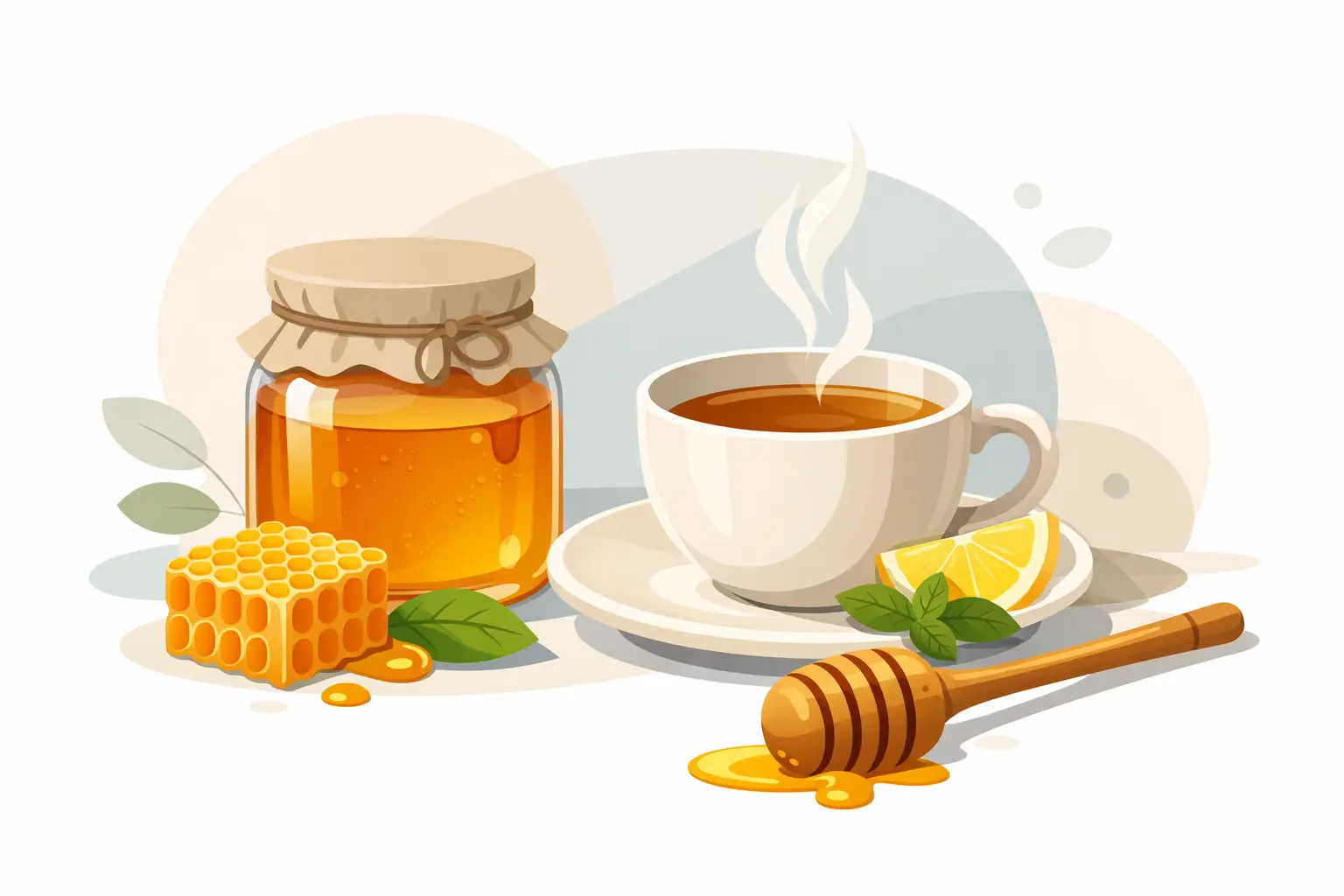
A cup of tea can turn flat in seconds if the honey is wrong. Too sweet, and it buries the leaves. Too floral, and it clashes with the cup. If you are looking for the best raw honey for tea, the real question is not just what tastes sweet. It is what adds warmth, depth, and natural character without losing the purity that made you choose raw honey in the first place.
For tea lovers who care about quality, raw honey is not a small detail. It changes the finish of green tea, softens the sharp edges of black tea, and gives herbal blends a richer body. But not every jar deserves a place beside your teapot. The source, the texture, the aroma, and the way the honey has been handled all matter.
What makes the best raw honey for tea?
The best raw honey for tea should do three things well. It should dissolve smoothly, complement the tea instead of overpowering it, and retain the natural qualities that make raw honey so prized.
That means looking beyond generic labels. Many store-bought honeys are heavily filtered, blended, or heated to improve shelf appearance. They may pour easily, but they often lose the complex taste and natural integrity that define true raw honey. When you stir that kind of honey into tea, you get sweetness, but not much else.
A high-quality raw honey keeps more of its original character. You can taste the floral source. You notice the texture. The sweetness feels layered rather than one-dimensional. For buyers who value natural foods and traditional wellness, this is where tea becomes more than a daily habit. It becomes a small ritual built on real ingredients.
Why origin matters more than most people think
Honey reflects the land it comes from. Nectar source, climate, and harvesting traditions shape the final jar just as much as the bees do. This is why origin is not marketing fluff. It is one of the clearest signs of quality.
If a label is vague, there is usually a reason. Blended honey from multiple regions can taste pleasant enough, but it rarely has the depth or identity of a single-origin honey. For tea, that difference is easy to notice. Single-origin raw honey tends to bring a cleaner, more distinctive sweetness that feels intentional rather than generic.
Yemeni Sidr honey stands apart here. Harvested from the nectar of ancient Sidr trees in Yemen, it is known for a rich, smooth taste that feels luxurious without being harsh. It has depth, but it does not hit the palate with the aggressive sharpness some wildflower honeys can bring. In tea, that balance matters.
Why Sidr honey works so well in tea
Some honeys are best for toast. Some are better for cooking. Sidr honey has a profile that suits tea especially well because it adds sweetness with structure.
Its flavor is full, rounded, and naturally elegant. Instead of delivering a quick burst of sugar and disappearing, it lingers gently. In black tea, it softens bitterness while keeping the tea’s body intact. In herbal tea, it adds richness without turning the cup syrupy. Even in simpler preparations like warm water with lemon, it brings a comforting depth that feels clean and refined.
There is also a texture advantage. Premium raw Sidr honey is often dense and silky, which helps it blend into warm tea with a satisfying finish. It does not feel thin or overly processed. That texture is part of the experience, especially for customers who see honey as both a culinary ingredient and a daily wellness choice.
This is where authenticity matters. Genuine Sidr honey is not simply sweetener with a premium label. It carries the heritage of traditional harvesting and a purity that mass-market honey struggles to match. For many households, that is exactly what they want in a tea companion: something natural, trusted, and rooted in real origin.
Raw honey and hot tea – does heat ruin it?
This is one of the most common questions, and the honest answer is that it depends on temperature.
Raw honey is valued because it is unprocessed and minimally handled. Excessive heat can reduce some of the delicate natural components that make raw honey special. If you boil honey directly or add it to tea that is still scalding hot, you may lose some of those subtle benefits and some of the aroma as well.
That does not mean raw honey and tea are a bad match. It simply means technique matters. Let the tea cool slightly after brewing, then stir in the honey. Warm tea is enough to dissolve it well. You still get the comfort of a sweetened cup, while being gentler on the honey itself.
For people who buy raw honey for both taste and wellness, this small step is worth it. Better ingredients deserve a little care.
How to choose the right honey for different teas
Not every tea asks for the same honey. A delicate tea needs restraint. A bold tea can handle more character.
Green tea usually pairs best with a honey that is smooth and not overly pungent. You want sweetness that supports the grassy or lightly vegetal notes, not something that bulldozes them. A small spoonful of raw Sidr honey can work beautifully here because it is rich, yet controlled.
Black tea can welcome a deeper honey. Assam, English breakfast, or strong loose-leaf blends often benefit from a honey with body. This is one of the easiest places to appreciate the fullness of premium single-origin honey.
Herbal teas are more flexible, but they also expose bad honey quickly. In chamomile, ginger, mint, or thyme tea, lower-grade honey can taste flat or oddly sugary. A pure raw honey brings more harmony. If you drink tea for comfort during colder months or as part of a daily wellness routine, the quality of the honey becomes even more noticeable.
Chai is its own category. Because the spices are bold, lighter honeys can disappear completely. A fuller honey with depth stands up better, though you still want a clean finish rather than a burnt or overly molasses-like note.
Signs your honey is actually high quality
If you want the best raw honey for tea, pay attention to how the product is presented. High-quality honey usually tells a clear story. You should know where it comes from, whether it is raw, and whether it contains anything other than pure honey.
Texture can vary, and that is not a flaw. Some raw honey is thick, some crystallizes over time, and some looks less perfectly clear than supermarket brands. Those are often signs that the honey has not been overly processed. Perfectly uniform, ultra-clear honey may look attractive on a shelf, but appearance alone says very little about authenticity.
Taste should feel natural and layered. Good honey has a beginning, middle, and finish. It may carry floral notes, earthy warmth, or a subtle herbal character depending on the source. What it should not taste like is plain sugar syrup.
For buyers in the United States searching for a premium option, this is where trusted sourcing becomes essential. Yemen Honey Store reflects that standard by focusing on authentic Yemeni Sidr honey with a clear purity message and direct origin story. For a product as simple and precious as honey, clarity matters.
Is the most expensive honey always the best?
Not always. Price can reflect rarity, careful harvesting, and origin integrity, but it can also reflect branding alone. The better question is whether the honey earns its price through purity, taste, and traceability.
Sidr honey often sits at a premium level for real reasons. It is limited, region-specific, and tied to traditional production rather than industrial scale. If you drink tea every day and want a honey that feels special but genuinely useful, paying more for authenticity can make sense.
Still, the right choice depends on how you use it. If you add large amounts of honey to heavily spiced tea, some of the finer details may be lost. But if you care about sipping quality tea and noticing what goes into your cup, premium raw honey is worth the attention.
A good tea ritual does not need many ingredients. It needs honest ones. When the honey is pure, raw, and rooted in a place known for excellence, even a simple cup feels elevated. Choose a honey with character, let your tea cool slightly, and give yourself a sweeter kind of quality you can actually taste.