

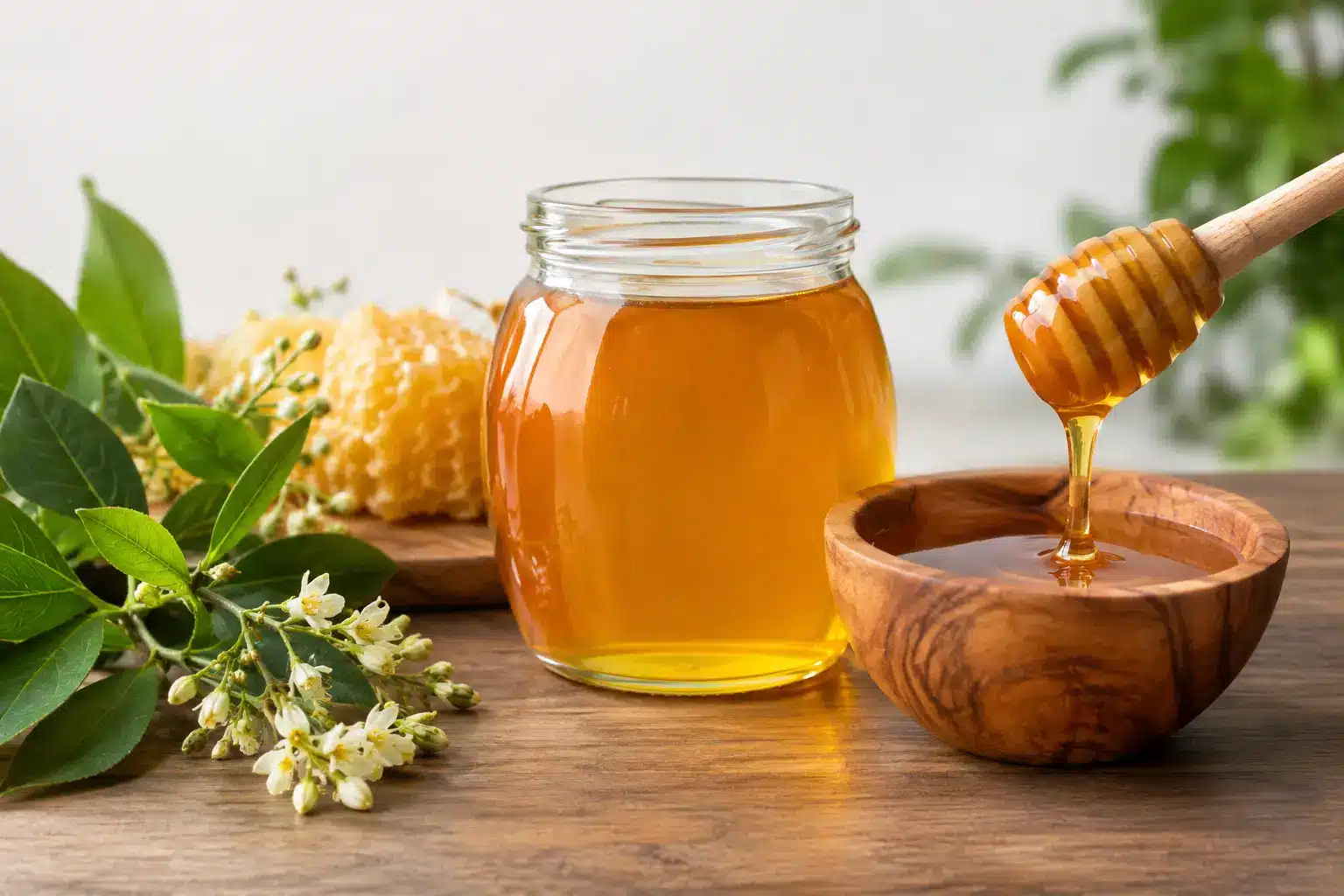
A true raw sidr honey taste review should begin with a simple expectation: this is not the mild, one-note honey found in a plastic bear. Genuine Yemeni Sidr honey has presence. One spoonful can feel deep, fragrant, and almost surprisingly complex, with a flavor that lingers long after the sweetness fades.
For first-time buyers, that intensity is often the point. Sidr honey is treasured not only for its purity and heritage, but for a taste that reflects the ancient Sidr trees and wild landscapes of Yemen. It is Nature’s Gold with character, not a neutral sweetener designed to disappear into the background.
What Does Raw Sidr Honey Taste Like?
Raw Sidr honey is richly sweet, but its sweetness is rounded rather than sharp. Many people notice notes similar to caramel, brown sugar, dried fruit, or warm molasses at first taste. That first impression is followed by a gentle herbal quality, sometimes described as earthy, woody, or lightly floral.
The exact flavor varies with the harvest, the location of the Sidr trees, and the natural conditions of a given season. This variation is part of what makes authentic honey special. Unlike mass-market blends engineered for the same flavor in every bottle, raw honey carries the subtle signature of where it was gathered.
A high-quality Sidr honey generally does not taste burnt, sour, overly fermented, or artificially perfumed. It should have depth without harshness. The finish may be warm and slightly resinous, but it should remain pleasant and clean.
The Flavor Comes in Layers
Sidr honey rewards a slower tasting approach. Let a small amount rest on the tongue instead of swallowing it immediately. The first note is usually a full, natural sweetness. Then the darker qualities appear: caramel, fruit, herbs, and a faint woodsy warmth. The aftertaste can remain for several moments, which is one reason people use smaller servings than they might with ordinary table honey.
Its color often prepares you for this experience. Authentic Yemeni Sidr honey commonly ranges from golden amber to a deeper reddish-brown, although color can vary naturally. A darker jar may suggest a bolder profile, but color alone is not a final measure of quality. The aroma, texture, harvest integrity, and source all matter.
Compared with clover honey, Sidr honey is less delicate and more layered. Compared with buckwheat honey, it is typically smoother and less malty. Compared with orange blossom or wildflower honey, it is usually warmer, denser, and more grounding. If you enjoy dates, caramelized sugar, or rich herbal teas, Sidr honey is likely to feel familiar in the best way.
Raw Sidr Honey Texture: Thick, Smooth, and Luxurious
Taste is only half the experience. Raw Sidr honey is known for its dense, velvety texture. It often pours slowly from the spoon and coats the palate more fully than lighter commercial honeys. This thickness gives it a luxurious feel, especially when enjoyed on its own.
A smooth consistency is common, but raw honey is a natural food, not a factory-made syrup. It may become more firm over time or develop fine crystals. Crystallization is normal in pure honey and is not a sign that the honey has gone bad. In fact, honey that remains perfectly liquid under every condition can sometimes raise questions about how much it has been heated, filtered, or blended.
If your Sidr honey crystallizes, place the sealed jar in warm water and allow it to soften gradually. Avoid overheating it. Gentle warming helps preserve the qualities that make raw, unprocessed honey so valued.
Why Yemeni Origin Changes the Experience
Sidr honey comes from the nectar of Sidr trees, also known as lote trees. Yemen’s rugged valleys, dry climate, and traditional beekeeping heritage give this honey a distinct identity. The trees thrive in landscapes that are far removed from the uniform agricultural fields associated with commodity honey production.
That origin matters because honey reflects its environment. The flowers available to bees, the rainfall, elevation, soil, and season all influence its final aroma, color, and taste. When a jar is sourced from Yemen and centered on the Sidr harvest, you are tasting more than sweetness. You are tasting a place and a tradition carried forward through generations of skilled harvesting.
At Yemen Honey Store, this connection to origin is at the center of what we offer: authentic Yemeni Sidr honey that is 100% natural, additive-free, and selected for the depth and purity customers expect from this treasured harvest.
Is Sidr Honey Too Strong for First-Time Buyers?
For some people, Sidr honey tastes instantly luxurious. For others, its richness takes a few spoonfuls to appreciate. It depends on what you normally eat and drink. If your usual honey is pale, filtered, and mild, Sidr’s herbal depth may seem stronger at first than expected.
The best way to begin is with a small serving, perhaps half a teaspoon. Try it plain in the morning, then taste it again on warm toast, Greek yogurt, oatmeal, or a slice of apple. Pairing it with simple foods makes its flavor easier to understand without covering it up.
Sidr honey can also bring satisfying depth to tea, though boiling water is not ideal for raw honey. Let tea cool slightly before stirring it in. Its caramel-like sweetness works especially well with black tea, ginger tea, and warm milk. If you use it in cooking, reserve premium raw Sidr honey for finishing dishes rather than baking, where its delicate character can be lost.
What Purity Tastes Like
Pure honey is not supposed to taste like plain sugar syrup. It may have floral nuances, natural variation, and a fuller finish. These qualities are especially noticeable in raw Sidr honey because its profile is naturally bold.
This does not mean every dark or thick honey is Sidr honey. True quality begins with transparent sourcing and a commitment to an unblended product. Honey blends can be inexpensive and convenient, but they rarely deliver the origin-specific flavor that makes Sidr so memorable. When you are choosing a premium jar, look beyond attractive packaging and focus on whether the product clearly identifies its source, purity, and ingredients.
The ingredient list should be simple: honey. No corn syrup, flavoring, added sugars, or unnecessary fillers. That simplicity gives you confidence that the nuanced taste in the jar comes from the bees and the Sidr blossoms, not from processing shortcuts.
How to Get the Best First Taste
Taste Sidr honey at room temperature, using a clean spoon. Cold honey can seem firmer and less aromatic, while overly warm honey can lose some of its natural fragrance. A wooden, glass, or stainless-steel spoon all work well. The old concern that metal spoons ruin honey is not a practical concern during normal serving.
Take note of three things: the aroma before tasting, the sweetness at the front of the palate, and the flavor that remains afterward. A good Sidr honey should feel balanced. It can be bold without becoming bitter, and sweet without becoming cloying.
Store the jar tightly sealed in a cool, dry cupboard away from direct sunlight. Refrigeration is usually unnecessary and may speed crystallization. Because honey naturally absorbs moisture and outside odors, always use a dry, clean spoon and close the lid promptly.
A Honey Worth Tasting Slowly
Raw Sidr honey is not meant to be rushed through a squeeze bottle. Its deep sweetness, velvety body, and gentle herbal finish make even a small spoonful feel intentional. Whether you keep it as part of a morning routine, serve it to guests, or give it as a meaningful gift, its appeal is in the details that mass-produced honey leaves behind.
Start with one quiet spoonful and let the flavor settle. The most memorable Sidr honey does not need a complicated ritual – just a moment to taste the heart of Yemen as it was meant to be enjoyed.