

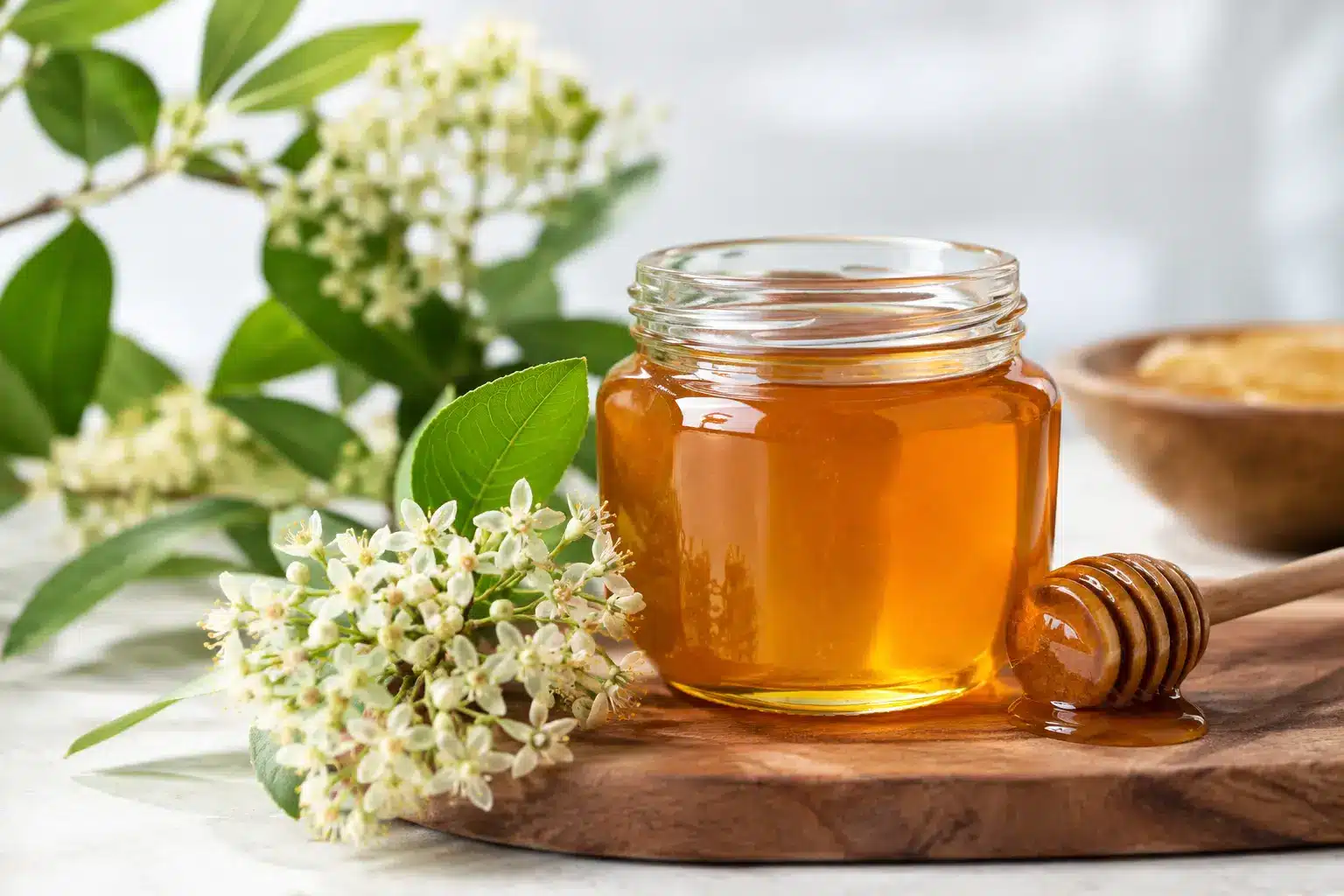
A spoonful of genuine Sidr honey is no longer being treated as just another pantry staple. The rising interest in sidr honey wellness trends reflects a larger shift among American shoppers: people want food with a clear origin, a simple ingredient list, and a story they can trust. For many families, Sidr honey offers all three – rich flavor, natural sweetness, and a heritage rooted in Yemen’s ancient Sidr trees.
This is not a passing fascination with exotic ingredients. It is a more thoughtful way of choosing everyday foods. As consumers look past heavily processed sweeteners and anonymous honey blends, authentic Yemeni Sidr honey stands apart as Nature’s Gold – rare, unprocessed, and deeply connected to the land where it is harvested.
Why Sidr Honey Wellness Trends Are Growing
Wellness shoppers have become more discerning about what “natural” really means. They read labels, question added ingredients, and look for products that have not been overly filtered, flavored, or blended beyond recognition. Honey fits naturally into that conversation, but not all honey offers the same experience.
Sidr honey comes from bees that forage around Sidr trees, also known as lote trees, in Yemen. These trees thrive in rugged, largely untouched landscapes, where traditional beekeeping practices have been passed from one generation to the next. The result is a honey prized for its deep amber color, distinctive caramel-like character, and lingering herbal notes.
Its appeal begins with authenticity. Consumers are increasingly willing to invest in a premium food when they understand where it came from and why it is different. A jar of true Yemeni Sidr honey is not meant to compete with a plastic bear of generic supermarket honey on price. It belongs in a different category: a specialty food chosen for origin, flavor, purity, and cultural significance.
The Move From Sweetener to Daily Ritual
One of the clearest wellness shifts is the move away from treating honey as an occasional baking ingredient. People are incorporating it into small, repeatable rituals that make ordinary moments feel more nourishing.
A teaspoon stirred into warm water in the morning can offer a gentle alternative to highly sweetened drinks. Added to plain yogurt, oatmeal, or chia pudding, Sidr honey brings depth without relying on artificial syrups. Before a walk, workout, or long afternoon, some people enjoy it with fruit or toast as a simple source of carbohydrate energy.
The value of these rituals is not that honey is a cure-all. It is that a quality honey can make a wholesome routine more enjoyable and easier to maintain. When a food tastes exceptional, people are more likely to reach for it consistently instead of returning to heavily processed options.
A More Mindful Kind of Indulgence
Wellness does not have to mean giving up pleasure. In fact, one reason premium honey is gaining attention is that it invites people to slow down and enjoy sweetness with more intention.
Sidr honey has a concentrated flavor, so a little can go a long way. Drizzle it over warm sourdough with tahini, pair it with walnuts and aged cheese, or use it to finish roasted carrots. These are not complicated recipes. They are simple ways to turn a modest amount of natural sweetness into something memorable.
For households trying to reduce their reliance on refined sugar, this matters. Honey is still a sweetener and is best enjoyed in sensible portions, but choosing a minimally processed honey can feel more aligned with a whole-food kitchen. The trade-off is clear: authentic Sidr honey costs more than commodity honey, yet its flavor and provenance make it a product to savor rather than use without thought.
Purity Is Becoming a Non-Negotiable
The clean-label movement has changed what shoppers expect from food. A short ingredient list is no longer a bonus. It is often the starting point. With honey, that standard should be simple: honey should be honey.
This is especially relevant in a market where honey may be blended from multiple sources or processed in ways that obscure its original character. Consumers who care about Sidr honey should look for transparent sourcing, clear country-of-origin information, and a brand willing to speak directly about how its honey is harvested and handled.
Pure Sidr honey does not need added flavors, corn syrup, preservatives, or artificial colors to be appealing. Its natural aroma, texture, and color can vary from harvest to harvest, much like olive oil or coffee. That variation is often a sign of a real agricultural product, not a flaw to be engineered away.
At Yemen Honey Store, the focus remains on offering authentic Yemeni Sidr honey that is 100% natural, unprocessed, and free from additives. For shoppers in the United States, that direct connection to Yemen helps make a rare heritage food more accessible without losing sight of what makes it special.
Heritage Is Part of the Wellness Story
Many current wellness conversations focus on ingredients, macros, and quick results. Those details have their place, but they can leave out something meaningful: food also carries history.
Sidr honey has long held a respected place in Yemeni and broader Middle Eastern traditions. It is served to guests, shared with family, and valued as a treasured food. Bringing it into an American pantry can be a way to honor cultural roots, introduce children to a meaningful ingredient, or give a gift with more personality than an ordinary box of sweets.
This heritage element is one reason Sidr honey resonates beyond the usual wellness audience. It appeals to culturally connected buyers who recognize its reputation, as well as curious food lovers who want to taste something with a genuine sense of place. Its story is not manufactured for a trend. The tradition came first.
What Nutrition Can and Cannot Promise
Raw, natural honey contains sugars along with small amounts of naturally occurring compounds from nectar and pollen. Its exact nutritional profile varies by floral source, season, storage, and processing. Sidr honey is often appreciated as a nutrient-rich natural food, but it should not be presented as a replacement for medical care, prescribed treatment, or a balanced diet.
That nuance is worth protecting. Honest wellness is not about extravagant promises. It is about choosing foods that fit a person’s values and daily habits. For most adults, Sidr honey can be a delicious part of a varied diet when enjoyed in moderation. Honey should not be given to infants under 12 months old.
How to Choose Sidr Honey With Confidence
Not every jar labeled “Sidr” delivers the same standard of quality. Since this honey commands a premium, buyers should be careful about vague origin claims and prices that seem unusually low for a rare imported product.
Start with the source. Genuine Yemeni Sidr honey should clearly identify Yemen as its origin and communicate the importance of the Sidr tree harvest. Then look for a straightforward ingredient statement with no fillers or added sweeteners. A reputable seller should also be comfortable explaining its purity standards and why its honey has the color, aroma, and flavor it does.
Texture deserves a little patience, too. Natural honey may crystallize over time, especially in cooler conditions. Crystallization does not automatically mean the honey is old or impure. It is a normal physical change in many real honeys. If preferred, gently warm the sealed jar in lukewarm water rather than overheating it, which can diminish the delicate qualities that make premium honey so appealing.
The Trend That Lasts Is Better Food
The strongest wellness trends tend to be the ones that do not require a dramatic lifestyle overhaul. They begin with a better choice at breakfast, a more intentional afternoon snack, or a thoughtful gift for someone who appreciates food with a story.
Sidr honey belongs in that kind of routine. Its value is found in the small details: the untouched landscapes of Yemen, the patient work of traditional beekeepers, the absence of unnecessary additives, and the unmistakable taste of a honey with a true sense of origin. Keep a jar where you can see it, use it with care, and let every spoonful be a reminder that simple foods can still feel extraordinary.