

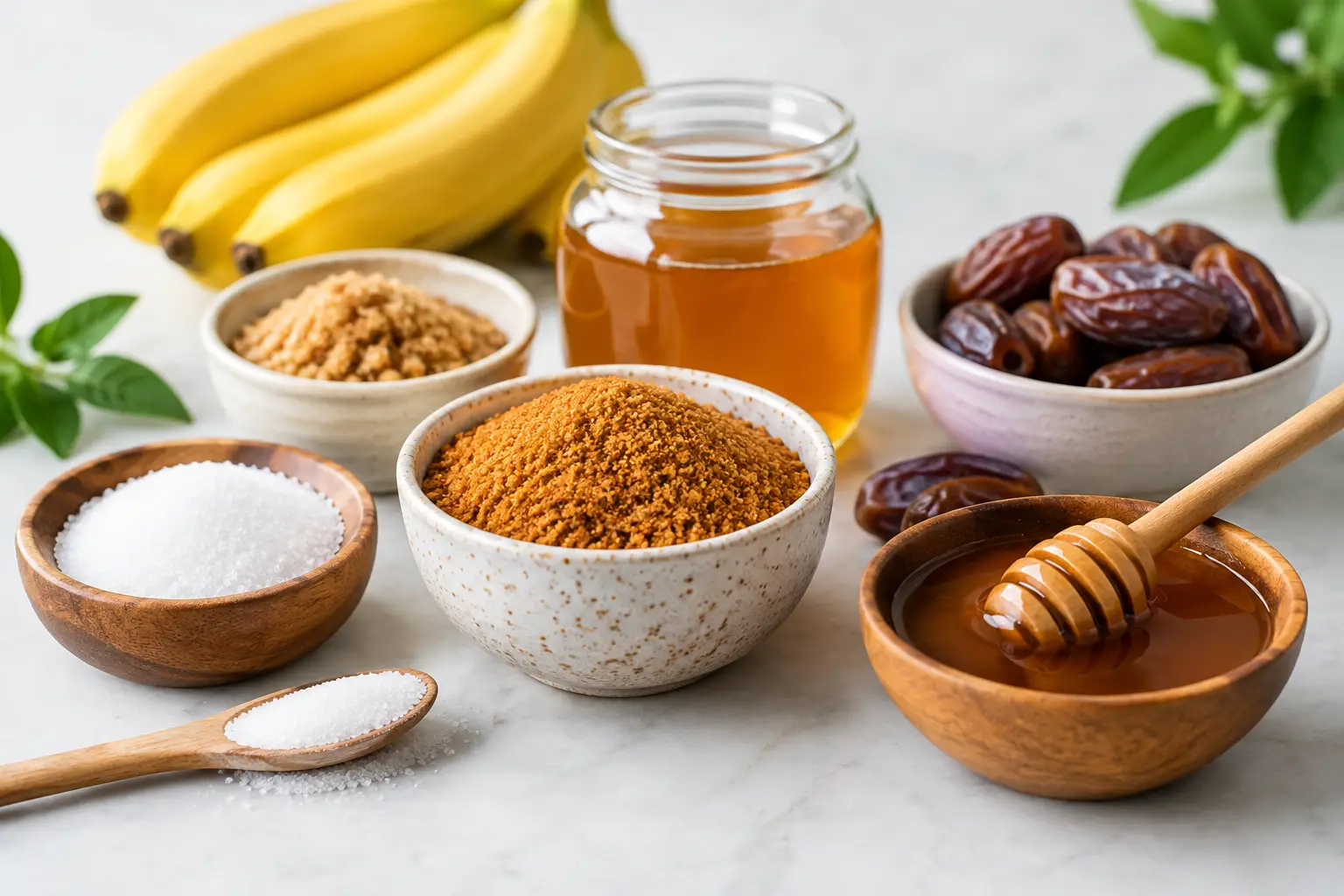
A spoonful of sweetener can change more than the taste of your morning oatmeal or weekend baking. It can add depth, moisture, a touch of heritage, or an ingredient list you feel good about sharing with your family. The best natural sweetener swaps are not about removing every trace of sweetness. They are about choosing a sweetener with character, purpose, and a place in the recipe.
For many kitchens, that means looking beyond refined white sugar toward ingredients such as pure honey, maple syrup, dates, and fruit. Each one brings its own flavor, texture, and cooking behavior. A thoughtful swap can make everyday food taste more generous without relying on artificial additives or heavily processed blends.
Why a Sweetener Swap Is Worth Making
Refined sugar has one clear job: sweetness. Natural sweeteners often do more. Honey can lend floral richness and help baked goods stay tender. Date paste brings caramel-like depth and body. Maple syrup adds warmth to dressings and glazes, while ripe fruit can contribute sweetness alongside flavor and moisture.
That does not mean every natural option is automatically lower in calories or suitable for every dietary need. Honey, maple syrup, and date-based sweeteners are still sources of sugar, and portions still matter. The advantage is often found in ingredient simplicity, flavor, and the ability to use less because the taste is more satisfying.
For shoppers who care about origin, the difference also lies in the story behind the jar or bottle. A pure, single-ingredient sweetener offers a clearer alternative to anonymous syrups and blended products. Authentic Yemeni Sidr honey, harvested from the nectar of ancient Sidr trees, is a beautiful example: bold, naturally rich, and treasured for both its taste and heritage.
Natural Sweetener Swaps That Work in Real Recipes
The right substitute depends on what you are making. A smoothie is forgiving. A delicate cake is less so. Begin with the role sugar plays in the dish: Is it there for sweetness alone, or does it create structure, crunch, moisture, or a glossy finish?
Replace sugar with honey for depth and moisture
Honey is one of the most versatile pantry swaps. Its natural sweetness is more concentrated than granulated sugar, so you can often use less. As a starting point, replace 1 cup of white sugar with about 2/3 to 3/4 cup of honey. Then reduce another liquid in the recipe by roughly 1/4 cup, since honey contributes moisture.
In baked goods, lower the oven temperature by about 25 degrees Fahrenheit and watch closely near the end of baking. Honey browns faster than sugar, which is wonderful for golden muffins, granola, and roasted fruit but can make pale cakes darken too quickly.
Sidr honey is especially suited to recipes where its distinctive flavor can be appreciated rather than hidden. Stir it into plain yogurt, drizzle it over warm oats, whisk it into a lemon-tahini dressing, or use it to finish roasted carrots. A little goes a long way, and its rich profile gives simple food a more luxurious character.
Use maple syrup in sauces, breakfast dishes, and baking
Pure maple syrup has a smooth consistency that makes it easy to blend into liquids. It works particularly well in vinaigrettes, barbecue-style sauces, overnight oats, and coffee drinks. For baking, use about 3/4 cup maple syrup for every cup of granulated sugar, then reduce other liquids by 2 to 4 tablespoons.
Its mellow woodsy flavor pairs naturally with cinnamon, pecans, squash, apples, and whole grains. It is less ideal when you need honey’s thicker texture, such as a sticky glaze or chewy snack bar. Choose pure maple syrup rather than pancake syrup, which is commonly made with corn syrup and flavoring.
Turn to dates when you want sweetness with body
Dates are a practical choice when a recipe benefits from thickness and a deep, caramel-like note. Blend soft pitted dates with warm water to make a simple paste, then add it to smoothies, oatmeal, energy bites, or quick breads. Date paste is not a direct one-for-one replacement for sugar because it adds bulk and fiber-like texture, but it is remarkably useful in rustic recipes.
For a first attempt, replace 1 cup of sugar with about 1 cup of date paste and reduce liquid slightly if the batter seems loose. The finished result will be darker, softer, and less crisp than one made with white sugar. That is a trade-off, not a flaw. Dates are best when you want a wholesome, tender finish rather than a crisp cookie edge.
Let ripe fruit do the quiet work
Mashed banana, unsweetened applesauce, and fruit purées can reduce the amount of added sweetener in pancakes, muffins, and oatmeal. Their main benefit is not precision. It is gentle sweetness with moisture and familiar flavor.
Try replacing half the sugar in a banana bread recipe with very ripe mashed banana, or use unsweetened applesauce in place of part of the sugar and fat in muffins. Since fruit changes texture, avoid using it in recipes that depend on sugar for a crisp snap, such as meringues or brittle.
How to Choose the Right Swap
A natural sweetener should suit the food in front of you. Strong, dark honey can be extraordinary in tea, marinades, and warm spices, but a light dessert may call for a gentler touch. Maple syrup belongs beautifully with breakfast flavors, while dates shine in chocolate, nuts, and oats.
Think about texture as carefully as flavor. Liquid sweeteners add moisture. Fruit purées soften baked goods. Granulated sugar creates air when creamed with butter and helps cookies spread and crisp. If you replace all the sugar in a baking recipe without adjusting anything else, the result may be dense, cakey, or overly dark.
It also helps to choose sweeteners that are genuinely pure. Read the label. Ideally, honey should contain honey and nothing else. Maple syrup should be pure maple syrup. Date products should list dates, not a long line of fillers and syrups. This simple habit supports the kind of pantry built on recognizable ingredients.
Simple Ways to Start This Week
You do not need to redesign every recipe at once. Begin with foods where sweetness is easy to adjust by taste. Stir a small spoonful of pure honey into tea instead of reaching for a packet. Sweeten plain yogurt with fruit and honey. Make a quick salad dressing with olive oil, lemon, salt, and a touch of maple syrup or Sidr honey.
For breakfast, add chopped dates to oats while they cook, then finish with cinnamon and nuts. For a snack, pair apple slices with tahini and a drizzle of honey. These small changes make sweetness feel intentional rather than automatic.
When baking, start by replacing only one-third to one-half of the refined sugar. This approach preserves the recipe’s structure while letting you learn how a new sweetener behaves. Keep notes if you find a combination your family loves. The most useful kitchen habits are the ones you can repeat without effort.
A Note on Honey for Families
Pure honey is a natural and flavorful choice for adults and children over one year old. However, honey should never be given to infants under 12 months of age. For everyone else, enjoy it as part of a balanced way of eating, paying attention to individual dietary guidance when needed.
For those seeking a sweeter pantry with more meaning, Yemen Honey Store brings authentic Sidr honey straight from the heart of Yemen to American tables. Its deep flavor makes it more than a substitute for sugar. It is Nature’s Gold, ready to turn an ordinary cup of tea, bowl of yogurt, or homemade glaze into a small daily ritual.
The finest sweetener swap is the one that makes your food taste more like itself: brighter fruit, warmer spices, richer grains, and meals shared with care. Start with one jar, one recipe, and one generous spoonful.