

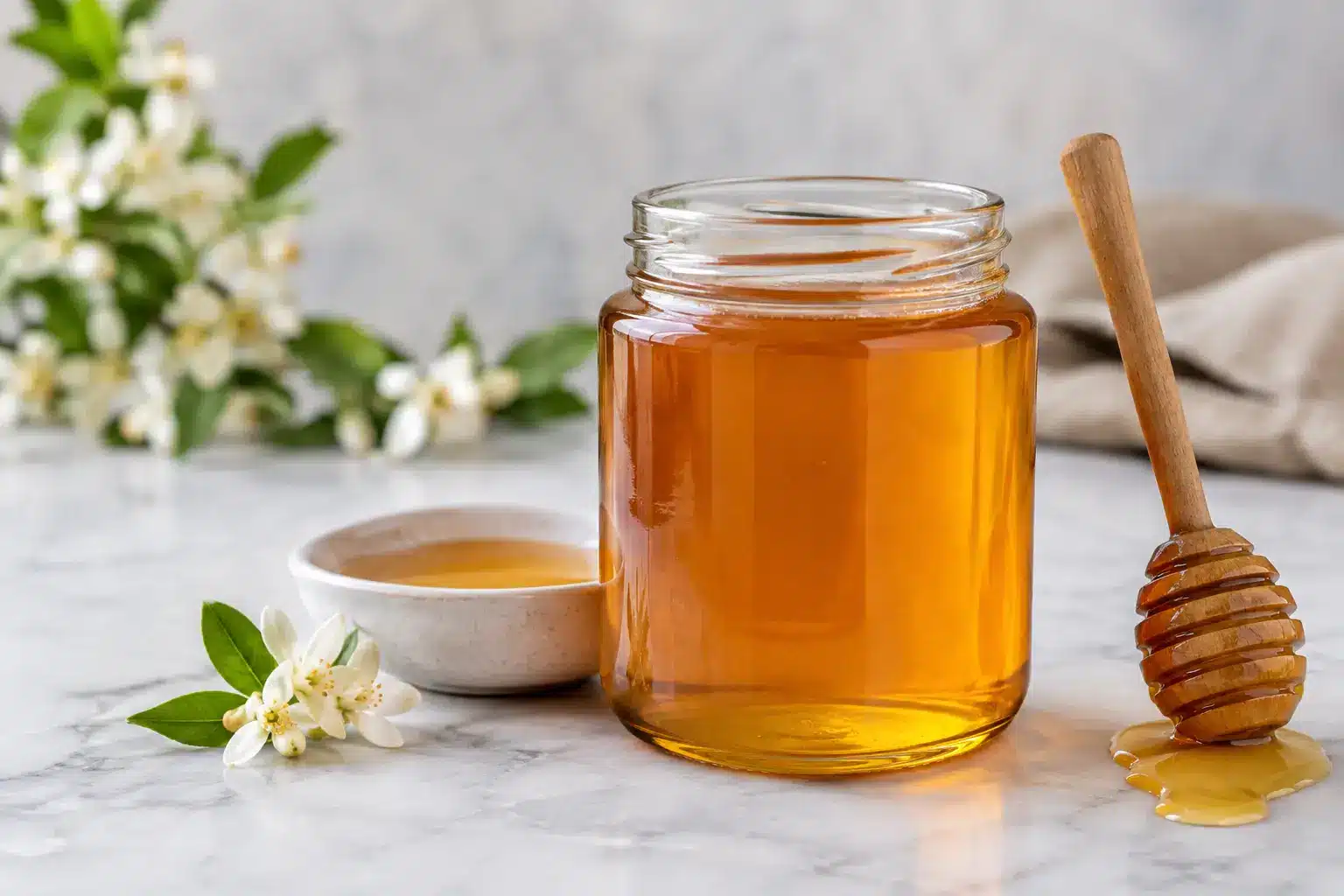
A jar of honey can look beautiful and still tell you very little. Deep amber color, a premium label, and words like “raw” or “pure” do not automatically reveal where the honey came from, what flowers the bees visited, or whether it has been blended with honey from elsewhere. This single origin honey review looks past the front label to the details that make a honey worthy of a place in your pantry.
For shoppers who value food with a clear story, Yemeni Sidr honey offers something unusually specific: honey tied to the Sidr tree, traditional harvesting knowledge, and the rugged landscapes of Yemen. It is not an everyday squeeze-bottle sweetener. It is Nature’s Gold, best appreciated slowly, by the spoonful, over warm bread, or stirred into a cup of tea when you want every ingredient to count.
What “Single Origin” Should Mean in Honey
Single origin is not simply a premium-sounding phrase. At its best, it means the honey is connected to one identifiable geographic source rather than being a broad blend gathered from multiple countries or regions. That origin influences its character – from fragrance and color to body and finish.
The term is especially meaningful with Sidr honey. Sidr trees grow in arid parts of Yemen, where beekeeping traditions have been passed down through generations. The landscape, seasonal conditions, tree nectar, and harvesting practices all contribute to a honey that feels distinct from the mild clover or wildflower honey commonly found on grocery store shelves.
That said, shoppers should read “single origin” with care. A responsible producer should be able to speak clearly about the country and region of sourcing, the botanical source, and whether the honey is processed or blended. Vague language is not the same as traceable origin. For a rare honey, transparency is part of the product itself.
Single Origin Honey Review: Yemeni Sidr at a Glance
A thoughtful review of Yemeni Sidr honey begins with its sensory profile. Genuine Sidr honey is often known for a rich golden-to-amber tone, though color can naturally shift from harvest to harvest. Its texture is typically dense and silky, with a generous weight on the spoon. It should feel substantial rather than thin or watery.
The flavor is where Sidr honey earns its reputation. Expect layered sweetness rather than one flat note of sugar. Many people notice a warm, caramel-like depth, gentle floral character, and a lingering finish that can feel earthy or buttery. The exact taste depends on the season and place of harvest, which is a feature of natural honey, not a flaw.
Its aroma also deserves attention. Quality Sidr honey tends to have a noticeable but refined fragrance. It should smell alive and botanical, not burnt, artificially perfumed, or aggressively sugary. A quiet aroma does not necessarily mean poor quality, but a honey marketed as rare and origin-specific should offer more personality than a generic blend.
For those who have only tasted supermarket honey, the difference can be immediate. Mass-market varieties are often designed for consistency, affordability, and easy pouring. Single origin Sidr honey is valued for the opposite reason: it carries the natural variations and unmistakable character of its home.
Purity Matters More Than a Perfect Appearance
Pure honey does not need artificial flavors, syrups, colorants, or unnecessary additives. When you buy Sidr honey, the ingredient list should be reassuringly simple: honey. That simplicity is central to its appeal.
Unprocessed or minimally handled honey may retain its natural aroma, flavor, and signature texture more fully than heavily heated products. Still, words such as “raw” and “unprocessed” are best treated as a starting point for questions, not a substitute for sourcing details. Ask how the honey is handled, stored, and packed. Premium honey should be protected with care from hive to jar.
Crystallization is another detail that often confuses buyers. Natural honey can crystallize over time, and this is not proof that it is spoiled or impure. Crystallization patterns vary based on floral source, temperature, and natural sugar composition. If a jar becomes more solid or grainy, place it in warm water and allow it to loosen gradually. Avoid overheating it, particularly if you enjoy honey for its delicate flavor and natural qualities.
A perfectly liquid jar is not automatically better. In fact, expecting every honey to look identical year-round can lead shoppers away from the very natural variation they are seeking.
Where Sidr Honey Earns Its Premium Position
Sidr honey costs more than everyday honey, and that trade-off deserves an honest look. The price reflects rarity, careful sourcing, import logistics, limited harvests, and the work required to bring a specialty product from Yemen to American households. It is not necessarily the honey you use in large quantities for baking or sweetening a full pitcher of lemonade.
Instead, it excels when flavor and origin are the point. A small spoonful can bring depth to plain yogurt, oatmeal, toast with tahini, or a cheese board. It is a memorable finishing touch for roasted carrots or warm biscuits. It also makes a thoughtful gift for someone who appreciates heritage foods and ingredients with a genuine sense of place.
For daily routines, some families enjoy a spoonful in the morning or use it to sweeten tea. Honey is still a sweetener and is best enjoyed in a balanced diet, but choosing a pure, single origin variety can make that small ritual feel more intentional. Its natural sugars provide quick energy, while its full flavor often means a little goes a long way.
The premium is worthwhile if you value provenance, purity, and a more expressive taste. It may be less worthwhile if your only goal is the lowest price per ounce. There is room for both types of honey in a kitchen, but they serve different purposes.
How to Judge a Jar Before You Buy
Start with the source. Look for a clear statement that the honey comes from Yemen and is connected to Sidr blossoms or Sidr trees. “Imported” alone is not enough. Specificity gives you more confidence that the product has not been positioned as exotic without a meaningful connection to its stated origin.
Next, check ingredient integrity. A premium jar should not hide a list of additions behind attractive packaging. Then consider the seller’s focus. Brands that specialize in Yemeni Sidr honey are usually better positioned to explain why the origin matters than sellers treating it as one item among hundreds of unrelated products.
Packaging matters, too. A well-sealed glass jar is a practical choice for preserving aroma and preventing outside moisture from affecting the honey. Once opened, store it tightly closed in a cool, dry cupboard. Refrigeration is usually unnecessary and may encourage crystallization sooner.
At Yemen Honey Store, the focus remains on authentic Yemeni Sidr honey, sourced for customers who want a direct connection to this treasured tradition. That focus is meaningful because it keeps attention on the product’s true strengths: natural purity, rich flavor, and a heritage that cannot be copied by a generic blend.
The Best Way to Taste It
Taste Sidr honey first on its own. Use a clean spoon and let a small amount rest on your tongue for a moment. Notice the opening sweetness, the middle notes, and the flavor that remains after it is gone. This simple tasting method gives you a far better sense of quality than immediately mixing it into a drink.
After that, pair it with foods that leave room for its character. Warm flatbread, Greek yogurt, fresh fruit, tahini, and mild cheeses are all natural companions. If adding it to tea, wait until the drink is comfortably warm rather than piping hot. You will experience more of the honey’s aroma that way.
The most rewarding jar is not always the palest, thickest, or most expensive one. It is the jar whose origin is clearly represented, whose ingredient is simply honey, and whose taste brings you back to the ancient Sidr trees of Yemen with every spoonful.