

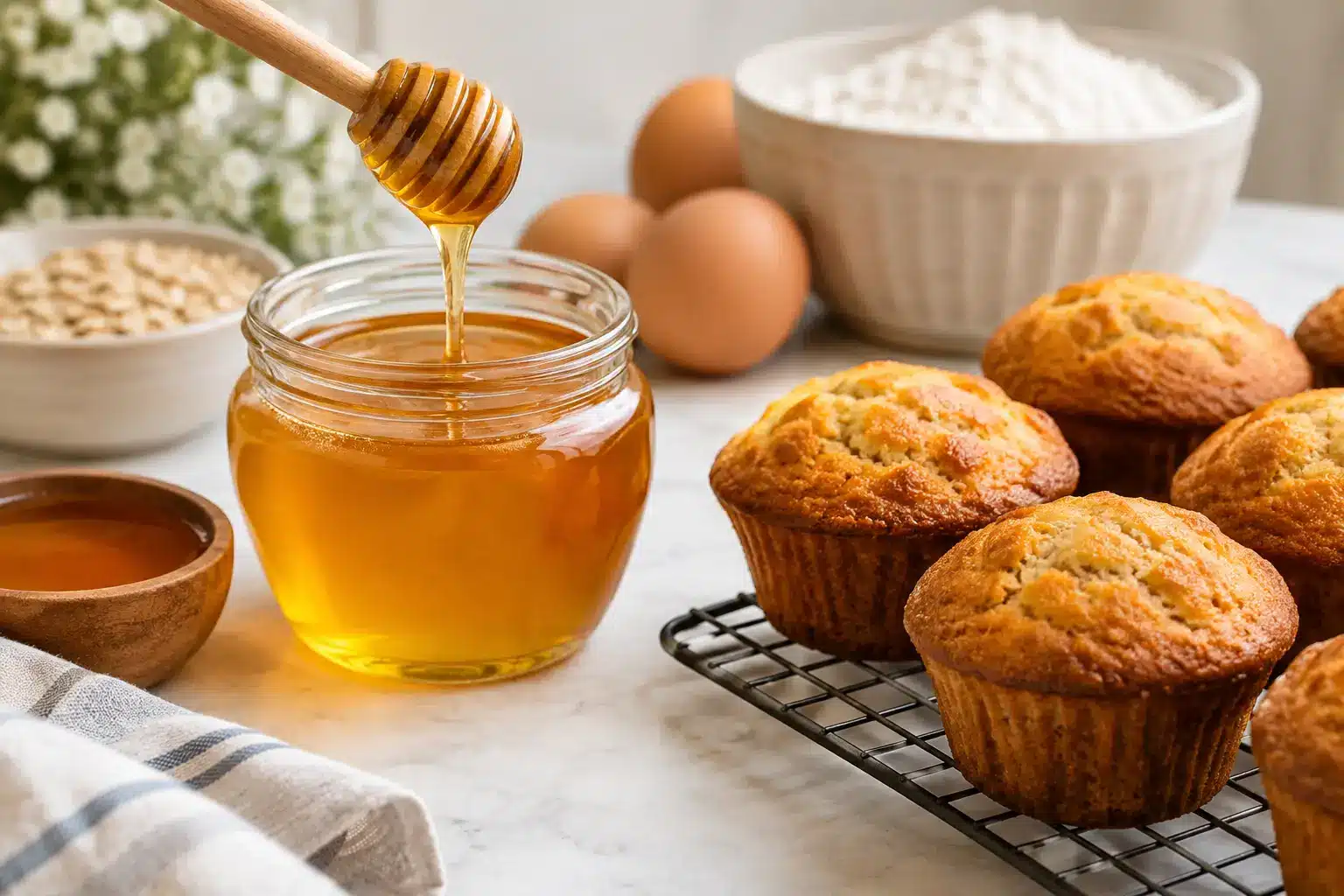
A spoonful of honey can turn an ordinary loaf cake into something memorable: deeply fragrant, softly textured, and finished with a warm golden crust. These honey baking tips are for home bakers who want that result without ending up with a cake that is too dark, a cookie that spreads too far, or a bread that feels heavy. Pure honey is not simply sugar in a jar. It brings moisture, flavor, acidity, and character to every batch.
For baking with a premium honey such as Yemeni Sidr, that character deserves care. Its naturally rich, caramel-like profile can make simple ingredients taste more complete. The goal is not to hide it under excessive spices or sweetness, but to let its distinctive flavor carry through.
Honey Baking Tips That Start With the Recipe
Honey is sweeter than granulated sugar, but its biggest effect is not sweetness. It is a liquid sweetener, which means it changes the moisture level and structure of a batter. It also contains natural sugars that brown quickly in the oven. A recipe written for white sugar will usually need a few thoughtful adjustments before honey can take its place.
As a dependable starting point, replace 1 cup of granulated sugar with 1/2 to 2/3 cup of honey. Then reduce the other liquid in the recipe by about 1/4 cup. This works well in muffins, quick breads, snack cakes, and many loaf cakes. For a recipe that already contains fruit puree, yogurt, or buttermilk, start closer to 1/2 cup of honey and avoid removing too much liquid at once.
Honey also adds a mild acidity. When a recipe uses a full cup of honey, adding about 1/4 teaspoon of baking soda can help balance that acidity and support a lighter crumb. This is especially useful in cakes and quick breads. Do not add extra baking soda automatically if the recipe already contains it or uses ingredients such as buttermilk, cocoa, or molasses. Baking is a balance, and too much leavening can leave an unpleasant taste.
Lower the Oven Temperature, Not Your Standards
One of the most useful honey baking tips is simple: reduce the oven temperature by about 25°F when honey is replacing a significant amount of sugar. Honey encourages browning, so a 350°F recipe often performs better at 325°F with a slightly longer bake time.
This adjustment protects the outside from becoming overly dark before the center has set. Check baked goods a few minutes before the stated finish time, but trust the visual and tactile signs more than the clock. A cake should spring back lightly when touched in the center. A toothpick should emerge with a few moist crumbs, not wet batter. Quick breads should look set along the top and pull slightly from the pan edges.
If the top is browning faster than the center is baking, loosely cover it with foil for the final portion of the bake. This small step is particularly helpful for honey-rich loaf cakes and dense breakfast breads.
Choose a Pan That Encourages Even Baking
Light-colored metal pans are a strong choice for honey baking because they reflect heat more gently than dark pans. Dark nonstick pans can intensify browning, which may be useful for a crisp-edged cookie but less welcome for a tender cake.
Glass and ceramic bakeware can work beautifully for cobblers, puddings, and fruit-forward desserts, though they retain heat longer. When using them, begin checking early and let the finished bake cool gradually. The right pan does not replace a good recipe, but it can make the difference between golden and overly browned.
Let Honey Shape the Texture You Want
Honey attracts and holds moisture, which is why it creates cakes that stay tender and muffins that remain soft the next day. That quality is a gift in banana bread, spice cake, oatmeal bars, and cornbread. It is less straightforward in recipes where dryness or crispness is the point.
For soft, chewy cookies, honey can be excellent. Replace only part of the sugar rather than all of it, especially on your first attempt. White sugar contributes spread and a crisp edge, while brown sugar brings chewiness. A small amount of honey adds a fuller flavor and a softer center. Refrigerating the dough for 30 to 60 minutes can help control spread.
For crisp cookies, delicate shortbread, or airy sponge cakes, use honey more selectively. These recipes rely on the particular structure of dry sugar, and a full substitution may create a softer or denser result. It depends on what you want from the final bake. Honey is not meant to behave exactly like refined sugar, and the best results come from using its differences with intention.
Pair Pure Honey With Ingredients That Let It Shine
A rare, origin-specific honey has more to offer than sweetness alone. Yemeni Sidr honey is prized for its depth, warm aroma, and luxurious finish. In baking, those qualities are especially lovely alongside ingredients that complement rather than compete with it.
Try it in a simple olive oil cake with orange zest, where the citrus brightens the honey without overwhelming it. Fold it into a walnut or almond loaf for a toasted, comforting flavor. Use it in date bars, tahini cookies, or a yogurt cake scented with cardamom. Apples, pears, figs, cinnamon, sesame, ginger, and vanilla are also natural companions.
Strong flavors have their place, but use them with restraint. A heavy hand with clove, dark molasses, or bitter cocoa can hide the nuanced taste of an exceptional honey. If you are baking with a honey you want guests to notice, choose a recipe with a short ingredient list and a gentle spice profile.
Warm Honey Gently for Easier Measuring
Thick honey is easier to mix when it is slightly warm, especially in cooler kitchens. Set the sealed jar in a bowl of warm water for a few minutes rather than heating it aggressively. You only need enough warmth to loosen its flow.
Before measuring, lightly oil the measuring cup or spoon with a neutral oil. The honey will slide out cleanly, and you will get a more accurate amount. Add honey with the other wet ingredients, then whisk thoroughly so it distributes evenly through the batter.
Use Honey in Yeast Baking With Patience
Honey is a beautiful addition to sandwich loaves, rolls, and enriched doughs. It feeds yeast, supports browning, and gives bread a tender crumb. Yet too much can slow the dough’s rise because a high concentration of sugar draws moisture away from the yeast.
For most home bread recipes, use a modest amount first: 1 to 3 tablespoons of honey for a standard loaf is usually plenty. Let the dough, not the timer, tell you when it has risen enough. Honey doughs may need a little more time, particularly in a cool kitchen.
Honey also makes a lovely finishing glaze. Brush a very thin layer of warmed honey over rolls or cornbread after baking, not before. Applied at the end, it gives a soft shine and fragrant sweetness without risking a burnt surface.
Store Honey Bakes for Their Best Texture
Because honey helps baked goods retain moisture, many cakes and quick breads taste even better after resting overnight. Once completely cool, wrap them well or store them in an airtight container at room temperature. The flavors settle, and the crumb becomes more tender.
That same moisture can shorten the life of very soft items in a warm kitchen. If a cake contains fresh fruit, cream cheese, or a dairy-based filling, follow the storage needs of those ingredients and refrigerate when appropriate. For plain honey loaves and muffins, room-temperature storage for a few days is generally ideal.
At Yemen Honey Store, we believe the finest ingredients ask for simple, respectful preparation. Bake with pure Sidr honey when you want more than sweetness – when you want a dessert or loaf with a sense of place, warmth, and genuine distinction.
Start with one familiar recipe, make a measured swap, and pay attention to the aroma that fills your kitchen. Honey rewards that kind of care with baking that feels both comforting and extraordinary.