

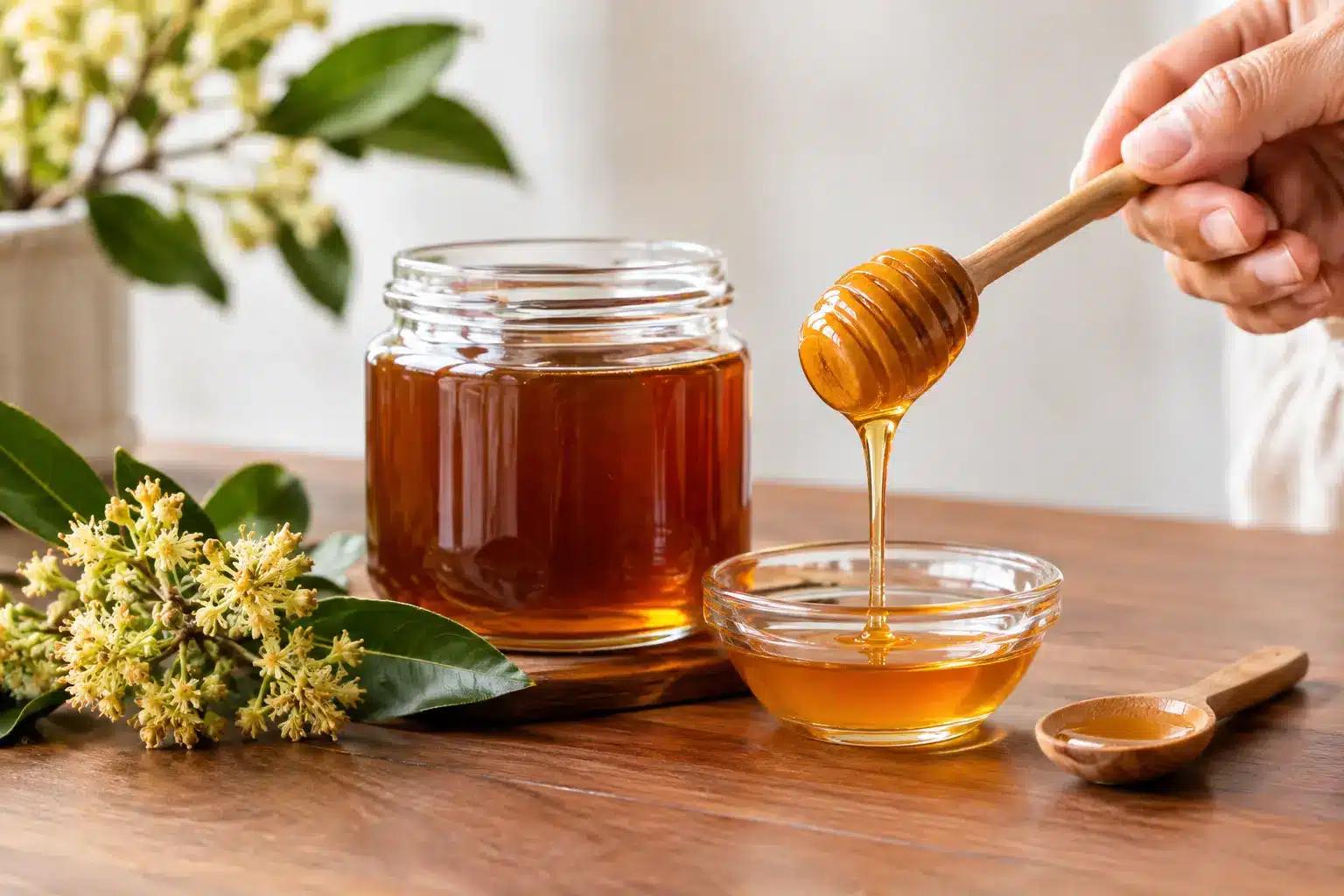
A proper honey taste test begins before the first spoonful. Open the jar and pause. Authentic Yemeni Sidr honey should invite you in with a warm, naturally layered aroma – never a sharp, candy-like scent or a one-note blast of sugar. For anyone who values pure foods with a clear origin, tasting honey is a small ritual that reveals why some jars are ordinary and others feel like Nature’s Gold.
Sidr honey is shaped by the ancient Sidr trees of Yemen, the climate around them, the timing of the harvest, and traditional handling after the honey is collected. Its flavor is not meant to imitate a dessert syrup. It is rich, earthy, floral, and often surprising, with a finish that stays with you long after the sweetness fades.
Why a Honey Taste Test Is Worth Your Time
Most people taste honey in a familiar way: stirred into tea, drizzled over toast, or added to a recipe. Those are wonderful ways to enjoy it, but they can hide its character. Heat, dairy, spices, citrus, and even a strongly flavored breakfast can overwhelm the details that make a premium honey distinctive.
A focused tasting helps you notice sweetness, aroma, texture, and finish separately. That matters when you are choosing a jar for daily use, a thoughtful gift, or a traditional wellness routine. It also encourages a more honest appreciation of purity. Real honey is agricultural, not factory-made, so subtle variation from one harvest to another is part of its beauty.
With Sidr honey, you are tasting more than sweetness. You are tasting a rare nectar source and the heritage of Yemen’s beekeeping landscapes. A darker color, a dense body, or a deeper flavor does not automatically prove quality on its own. Yet when those qualities appear together with a clean aroma and a balanced finish, they create the experience people expect from genuinely exceptional honey.
Set Up a Simple Tasting at Home
You do not need special equipment. A clean teaspoon, a small glass dish, room-temperature water, and a quiet moment are enough. If you are comparing more than one honey, use separate spoons and label each sample. Begin with the lightest-colored, mildest honey, then move toward darker or fuller-bodied varieties such as Sidr.
Avoid tasting right after coffee, mint gum, spicy food, or citrus. Their strong flavors can dull your palate. A sip of room-temperature water between samples is usually all you need. Plain crackers can help if you are tasting several honeys, but taste each honey by itself first.
Let the jar sit at room temperature before you begin. Cold honey can seem firmer and less aromatic than it truly is. Do not microwave it to soften it. Gentle handling respects the honey’s natural character and lets its fragrance come forward as it should.
Look First, But Do Not Judge by Color Alone
Sidr honey is often amber to deep golden-brown, although color can shift with season, region, and floral conditions. Hold a spoonful near natural light and notice its clarity and depth. It may look luminous, dense, and almost caramel-like, but it should not be judged solely by appearance.
Color is only one clue. Some excellent honeys are pale, while others are dark and bold. More useful questions are whether the honey looks naturally consistent and whether its texture matches its style. A premium honey can be fluid, creamy, or partially crystallized depending on storage and composition. Crystallization is not a sign that honey has gone bad. In many pure honeys, it is a normal, natural change.
Smell the Honey Before You Taste It
Bring the spoon close to your nose and take a light breath in. Do not expect a perfume-like fragrance. Natural honey aromas are often quiet at first, then become clearer as the honey warms on the spoon.
Authentic Yemeni Sidr honey is often recognized for a warm floral aroma with earthy, woody, or dried-fruit notes. Some people notice a gentle spice-like quality, while others find it reminiscent of sun-warmed herbs. The exact language matters less than the overall impression: it should smell natural, rounded, and alive rather than artificial or aggressively sweet.
If you are comparing a common blended honey with Sidr honey, the difference may be most obvious here. A mass-market blend can smell simple and sugary. A single-origin style honey tends to offer more dimension, even before it reaches your tongue.
The Sidr Honey Taste Test, Spoon by Spoon
Take about half a teaspoon and let it rest on your tongue for a few seconds. Resist the urge to swallow immediately. Move it slowly across your mouth, noticing how it feels before deciding what it tastes like.
The first impression is usually sweetness, but sweetness is only the entry point. Well-kept Sidr honey often feels full-bodied and smooth, with a dense, almost silky weight. Its flavor may open gradually, moving from floral notes into deeper tones that can suggest caramel, dates, warm wood, or gentle molasses. The experience is rich without needing to feel heavy.
Then pay attention to balance. Is the sweetness clean, or does it become cloying? Is there a subtle tang, an earthy edge, or a mild herbal note that keeps the flavor interesting? Great honey has a sense of shape. It begins, develops, and finishes instead of disappearing the moment you swallow.
The finish is where Sidr honey often earns its reputation. After swallowing, breathe out softly through your nose and notice what remains. A quality jar may leave a lasting warm, floral depth rather than a flat sugar residue. That lingering character is one reason a small spoonful can feel so satisfying.
What Makes Sidr Taste Different?
Every honey carries the fingerprint of its floral source. Bees gathering nectar from Yemen’s Sidr trees create honey with a profile that stands apart from familiar clover or wildflower varieties. The dry mountain valleys and remote landscapes associated with traditional Yemeni harvesting contribute to the product’s rarity and story, but the final taste still depends on the season and the individual harvest.
That is why no honest seller should promise that every batch will taste identical. One jar may lean more floral and golden; another may feel darker, earthier, and more intense. These natural shifts are not flaws when the honey remains pure, carefully handled, and true to its origin.
Sidr honey also tends to be enjoyed in smaller portions than everyday squeeze-bottle honey. Its richness makes it well suited to a morning spoonful, warm water, yogurt, toast, cheese, or a simple pairing with nuts. In each case, use enough to enjoy its flavor, but not so much that the other ingredient erases it.
Compare Honey Fairly
If you want to compare Sidr with another variety, keep the test simple. Taste both plain, at the same temperature, and within a few minutes of each other. Start with the milder sample so it does not disappear after the fuller-bodied honey.
Ask yourself which one has the more natural aroma, the more satisfying texture, and the longer finish. Do not confuse intensity with quality. A honey can be very dark or very sweet and still lack balance. The most memorable samples are usually those where aroma, body, and finish work together.
Taste can also help you develop your own preferences. If you love bright, delicate flavors, you may reach for a lighter honey in tea. If you want something deeper for a morning ritual or a special serving board, Yemeni Sidr may be the jar you return to. There is no single best honey for every use, only the right honey for the moment.
Protect the Flavor You Paid For
Store honey tightly sealed in a cool, dry cabinet away from direct sunlight. Refrigeration is generally unnecessary and can encourage crystallization sooner. If your Sidr honey becomes firmer over time, place the sealed jar in gently warm water and allow it to loosen gradually. High heat can flatten the aromas that made it special.
Use a clean, dry spoon every time. Introducing water or food particles can affect the honey over time. These small habits preserve the jar’s flavor and make each serving as rewarding as the first.
A honey tasting is ultimately an invitation to slow down. Let the aroma rise, let the texture settle, and give the finish a moment to speak. When the jar comes straight from the heart of Yemen, that pause can turn an everyday spoonful into a taste of heritage.